Nootropic Herbs for Memory & Focus After 40: A Practical Guide
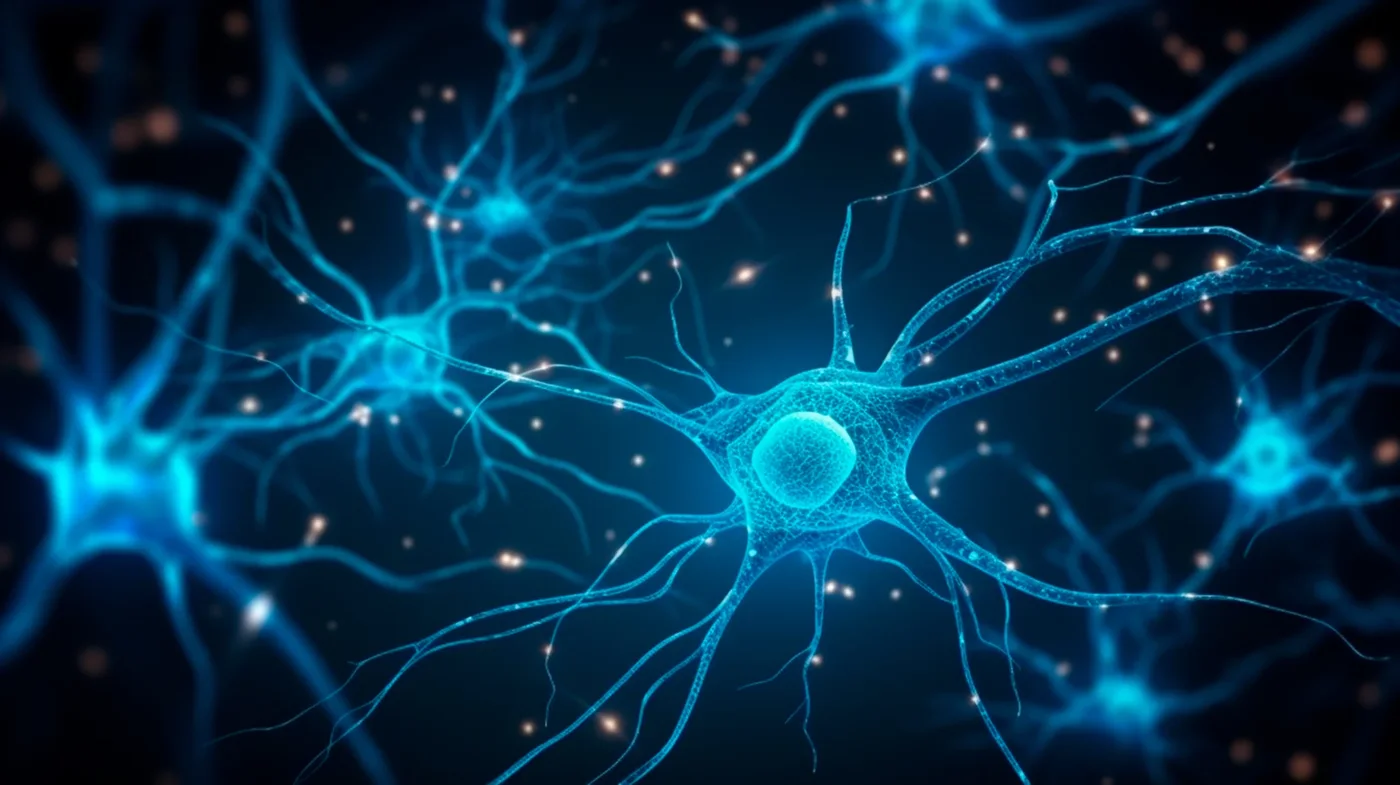
| The idea | Memory and focus are built on a living neural network — support it with botanicals, not just caffeine. |
| Herbs that matter | Bacopa monnieri, Lion’s Mane, Ginkgo biloba, Rhodiola and ginseng. |
| What matters most | Daily consistency plus sleep, movement and real food. |
Why memory and focus shift after 40
If you have started walking into a room and forgetting why, or losing a name that used to be automatic, you are in very ordinary company. Two things tend to happen together as we move through our forties and beyond. First, the brain’s blood flow and signalling chemistry become a little less efficient. Second, modern life gets busier and more fragmented — more screens, more interruptions, less deep sleep. The result is not a disease; it is friction. And friction is exactly the kind of thing a steady daily routine can help smooth out.
That is where nootropic herbs come in. “Nootropic” simply means something used to support cognition. Long before the word existed, traditional systems of medicine were using specific plants for memory and mental stamina. Modern interest has circled back to many of the same botanicals — and the good news is that the shortlist worth knowing is refreshingly small.
The nootropic herbs actually worth knowing
You do not need a cabinet full of powders. A handful of well-chosen botanicals covers most of what people are looking for. Here are the ones that come up again and again.
Bacopa monnieri. If any herb deserves the title “memory herb,” it is Bacopa. Used in Ayurvedic tradition for centuries, it is prized for supporting the retention of new information — the very thing that feels harder when you are juggling more than ever. Bacopa is a slow-and-steady botanical: it is traditionally taken daily over weeks, not swallowed for an instant hit.
Lion’s Mane mushroom. This shaggy white mushroom has moved from gourmet kitchens to the nootropic conversation because of its studied role in supporting nerve-growth factors — the signals that help keep neurons healthy. Many people reach for Lion’s Mane specifically for that sense of mental clarity.
Ginkgo biloba. Among the oldest tree species on earth, Ginkgo is one of the most researched botanicals for circulation. It is traditionally used to support healthy blood flow to the brain, which is part of why it so often appears alongside memory-focused herbs.
Rhodiola rosea and Panax ginseng. These two adaptogens are the “stamina” members of the group. Rhodiola is an arctic root traditionally used to support resilience to everyday stress and mental fatigue, while ginseng has a centuries-long reputation for steady, non-jittery energy and alertness.
L-theanine and phosphatidylserine. Rounding things out, L-theanine — the calming amino acid found in green tea — is used to support focused-but-relaxed attention, and phosphatidylserine is a phospholipid that forms part of the membranes your neurons are built from.

How to actually use them
The single biggest mistake people make with nootropic herbs is treating them like painkillers — expecting an instant, obvious jolt. Botanicals such as Bacopa and Lion’s Mane are traditionally used the way you would use a good habit: daily, quietly, over time. Build them into something you already do — morning coffee, breakfast, brushing your teeth — so you never have to remember them separately.
This is also why an all-in-one daily capsule can be more practical than buying seven jars. A formula like Memodyne combines the botanicals above into a single once-daily capsule, which removes the friction of measuring, mixing and remembering. Whatever route you choose, pick one you can stick with for several weeks before judging it.
See the Memodyne Botanical Blend
The lifestyle habits that amplify any herb
No capsule works in a vacuum. The foundations still do most of the heavy lifting, and they make every botanical work harder:
Sleep. Deep sleep is when the brain consolidates memory and clears metabolic waste. Even the best routine cannot outrun chronic short sleep, so protect your seven-to-eight hours first.
Movement. A brisk daily walk is one of the most reliable things you can do for cerebral blood flow — the same thing Ginkgo is traditionally used to support. You do not need a gym; you need consistency.
Real food and hydration. Colourful plants, oily fish, nuts and plenty of water give your neurons the raw materials they run on. Steady blood sugar, in particular, keeps focus from crashing mid-afternoon.
Attention hygiene. Much of what feels like “bad memory” is really divided attention. Single-tasking, fewer notifications and short focus blocks often do more for recall than any supplement.
Support your mind, the botanical way
Memodyne puts Bacopa, Lion’s Mane, Ginkgo and a supporting botanical blend into one easy daily capsule — backed by a 60-day guarantee.
See Memodyne PackagesFrequently asked questions
Which nootropic herb is best for memory?
Bacopa monnieri has the longest track record for memory specifically — it is a traditional Ayurvedic herb used to support the retention of new information. It is often paired with Ginkgo biloba and Lion’s Mane in modern formulas because the three support memory and focus through different mechanisms.
How long do nootropic herbs take to work?
Botanicals such as Bacopa and Lion’s Mane are traditionally used over weeks rather than minutes, so daily consistency matters more than any single dose. Give a routine several weeks of uninterrupted use before you judge it.
Are nootropic herbs the same as caffeine?
No. Caffeine is a fast, short-lived stimulant. Nootropic herbs such as Bacopa, Ginkgo and Rhodiola are used to support the underlying systems behind memory and focus, which is why many people prefer them for steady, non-jittery support.
References
- National Center for Complementary and Integrative Health — overviews of Bacopa, Ginkgo and Ginseng (nccih.nih.gov).
- Office of Dietary Supplements, National Institutes of Health — fact sheets on botanical and nutrient ingredients (ods.od.nih.gov).
- Nature and the American Physiological Society — general coverage of neural circulation and cognition.
† These statements have not been evaluated by the FDA. This product is not intended to diagnose, treat, cure or prevent any disease. This article is for general information only and is not medical advice.