Lion’s Mane Mushroom Benefits for the Brain: How It Works
| What it is | Lion’s Mane (Hericium erinaceus) is an edible mushroom now popular as a nootropic for mental clarity. |
| How it works | Its hericenones and erinacines are studied for supporting nerve growth factor (NGF) — a protein that helps keep neurons healthy. |
| Studied dosage | Roughly 500–3,000 mg/day, depending on whether it is a concentrated extract or plain powder. |
| Label tip | Prefer a fruiting-body extract with a stated beta-glucan percentage. |
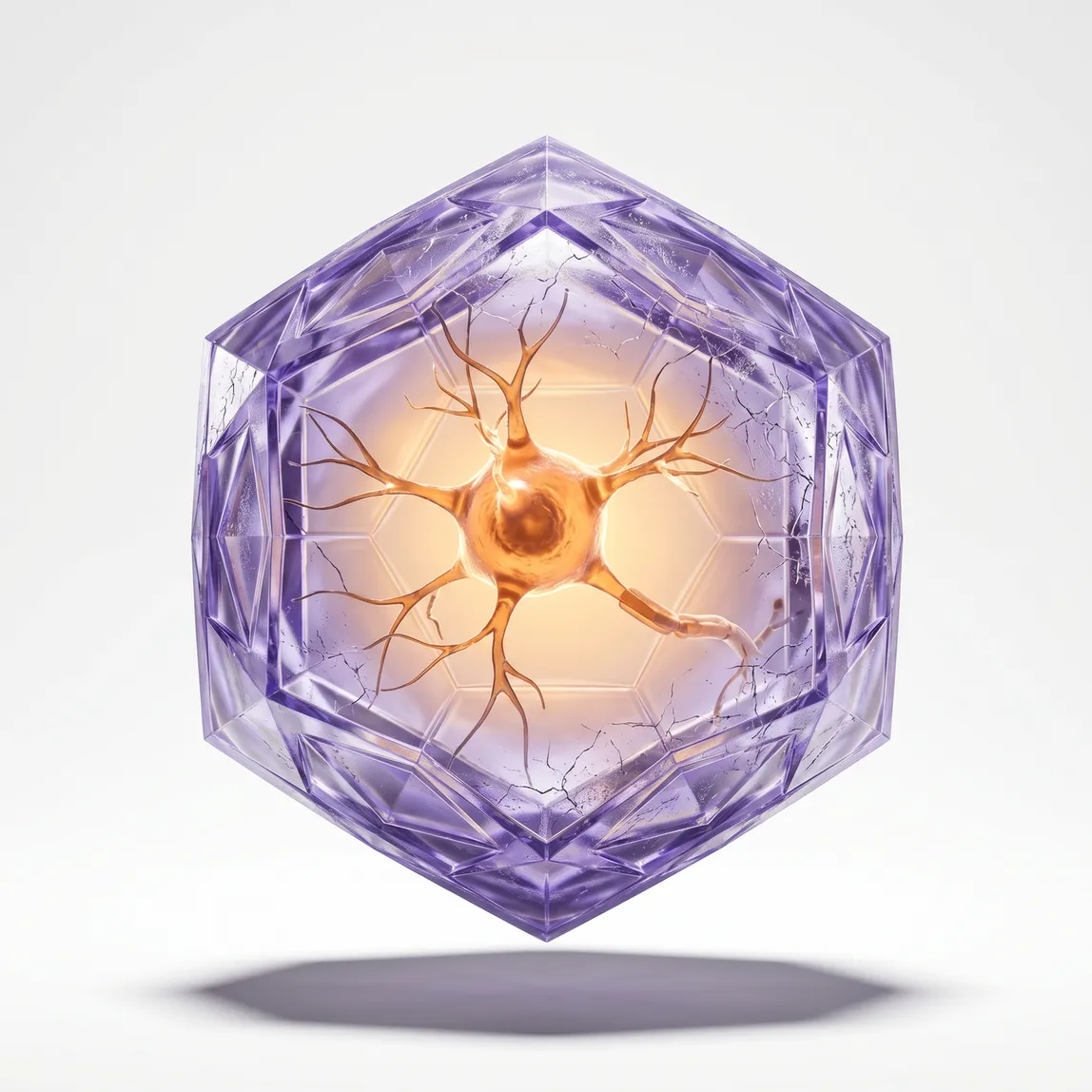
Not long ago, Lion’s Mane was mostly a chef’s ingredient — a shaggy, white, crab-flavoured mushroom prized in high-end kitchens. Today it is one of the most talked-about nootropics on the shelf, and the interest is not just hype. The Lion’s Mane mushroom benefits for the brain that draw people in have a genuinely interesting mechanism behind them, one that sets this mushroom apart from herbs like Bacopa or amino acids like L-theanine. This guide explains what Lion’s Mane is, how it actually works, the dose used in research, and the label details that separate a serious extract from an overpriced jar of filler.
What is Lion’s Mane mushroom?
Lion’s Mane is the common name for Hericium erinaceus, a mushroom that grows in cascading white spines rather than the usual cap-and-stem shape — hence the “mane.” It has a long history in East Asian food and traditional wellness practice, where it was associated with the mind and the digestive system. Two parts of the organism matter for supplements: the fruiting body (the visible mushroom) and the mycelium (the root-like network of threads it grows from). As we will see, which part a product uses has a real impact on what you are getting.
How do Lion’s Mane mushroom benefits for the brain actually work?
The reason Lion’s Mane earns its place in a memory formula comes down to two families of compounds and one signalling protein.
Hericenones and erinacines
Lion’s Mane contains hericenones, concentrated in the fruiting body, and erinacines, found mainly in the mycelium. These are the mushroom’s signature bioactives, and they are what researchers point to when they explain its effects on nerve tissue.
Nerve growth factor (NGF)
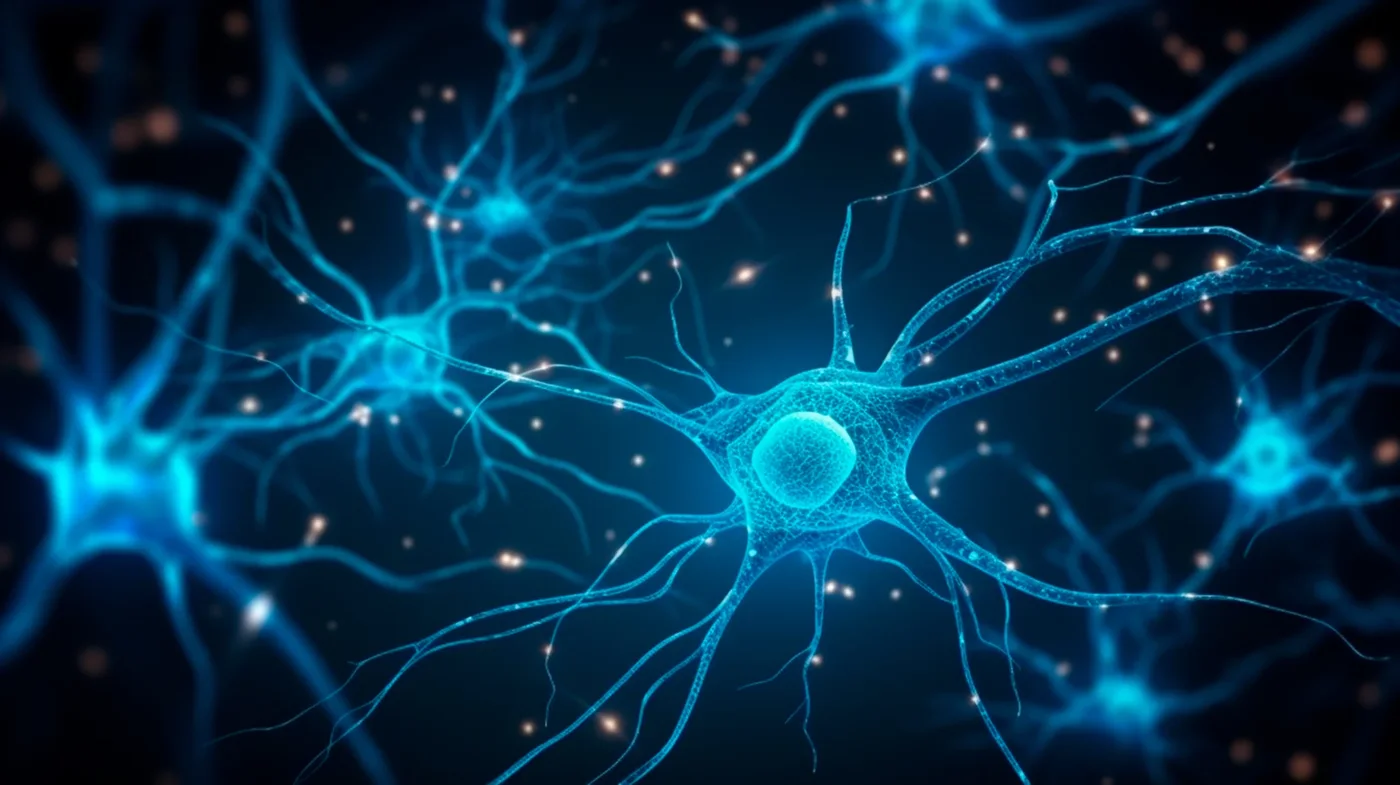
The headline mechanism is nerve growth factor, or NGF — a protein your body uses to support the growth, maintenance and survival of neurons. In laboratory and animal research, hericenones and erinacines have been studied for their ability to stimulate NGF. In plain terms, the compounds appear to encourage the cellular signals that keep the neural network in good repair. This is a very different idea from a stimulant that simply revs you up for a few hours — it is about supporting the upkeep of the hardware itself.
It is worth being clear-eyed: much of the NGF research is preclinical, and Lion’s Mane is a food-derived supplement, not a drug. It is not intended to diagnose, treat, cure or prevent any disease. But the mechanism is exactly why so many people reach for it specifically for a sense of clarity, rather than for energy.
What people use Lion’s Mane for
Described honestly and in general-wellness terms, here is what draws people to this mushroom:
- Mental clarity. The most common reason people reach for Lion’s Mane — a clean, non-jittery sense of a clear head.
- Focus and concentration. Often described as steady rather than stimulating.
- Everyday mood balance. Some research explores its role in supporting a balanced, resilient mood.
- Whole-body use. As a beta-glucan-rich mushroom, it is also traditionally valued beyond the brain.
Lion’s Mane dosage: what the research uses
Doses in human studies vary widely because products vary so much in concentration. As a reference range, research commonly uses roughly 500 to 3,000 mg per day, frequently split into two or three servings. A concentrated 8:1 extract needs far fewer milligrams than a plain dried powder to deliver the same active load, which is why the number on the front of the jar means little without context.
Lion’s Mane is generally well tolerated and is not a stimulant, so it does not need to be timed away from the evening the way caffeine does. As with any mushroom product, the sensible move is to start at the lower end of your product’s stated range and stay consistent.
Consistency, in fact, is the whole point with Lion’s Mane. Because its studied mechanism is about supporting the upkeep of nerve tissue rather than delivering an instant lift, it rewards daily use over weeks far more than the occasional dose. A good rule of thumb: pick a realistic daily amount within your product’s range, attach it to something you already do each morning, and give it a fair run of a couple of months before deciding whether it belongs in your routine. If you are pregnant, nursing, allergic to mushrooms, or taking medication, check with a healthcare professional before starting.
Fruiting body vs mycelium: the label detail that matters most
This is the single most important thing to understand before you buy Lion’s Mane, because it is where quality quietly rises or falls.
Fruiting body extract
The fruiting body is the actual mushroom. Extracts from it tend to be higher in beta-glucans (the prized polysaccharides) and in hericenones. Because it is the part people have eaten for centuries, many informed buyers treat “fruiting body” as a baseline quality marker.
Mycelium on grain
Mycelium is cheaper and faster to grow, but it is often cultivated on grain and sold together with that grain substrate. This can dilute the active content and inflate the total weight with starch. Mycelium is not worthless — it is where erinacines are richest — but “mycelium on grain” products can contain a surprising amount of filler unless the label is specific.
What to look for
- Which part was used — ideally “fruiting body” is named explicitly.
- A stated beta-glucan percentage — not just “polysaccharides,” which can include grain starch.
- Extract ratio (for example 8:1) so you can judge concentration.
- Third-party testing and GMP manufacturing.
If those terms are new to you, our companion guide on how to read a nootropic supplement label unpacks beta-glucan percentages, extract ratios and the proprietary-blend problem line by line.
How Lion’s Mane pairs with other nootropics
Lion’s Mane is a natural partner for the other memory botanicals because it works on a different mechanism. Where Lion’s Mane supports nerve-growth signalling, Bacopa monnieri is traditionally used for retaining new information, and both build gradually over weeks. That is why formulas so often place them side by side. For the wider context of how these plants and fungi complement each other, see our overview of nootropic herbs for memory and focus after 40, or explore the full Memodyne formula if you would rather take them together in one capsule.
Clarity, in one daily capsule
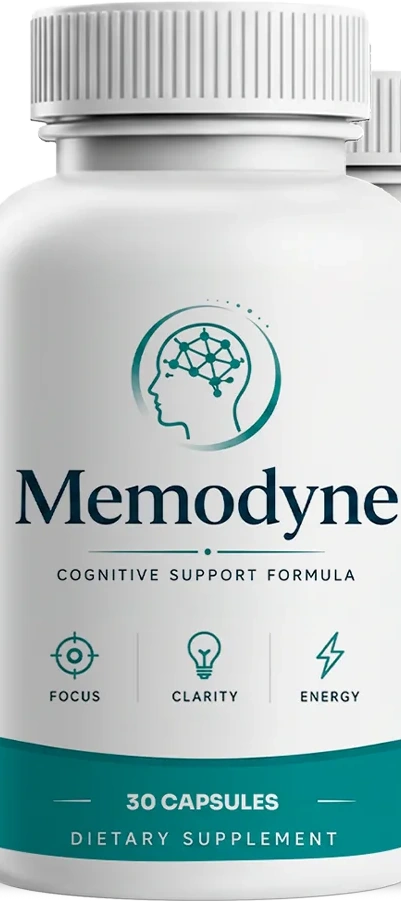
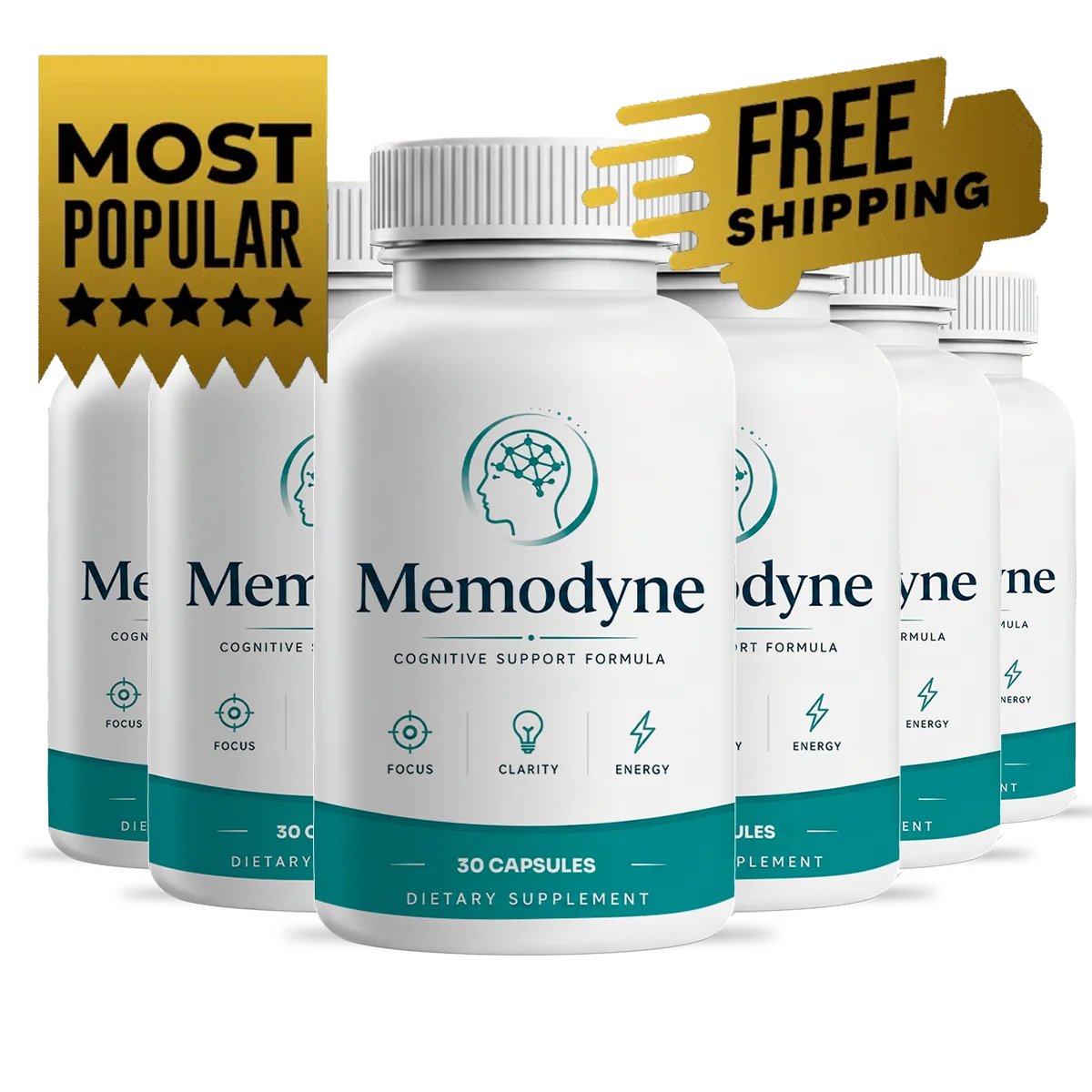
Memodyne combines Lion’s Mane with Bacopa, L-theanine and a supporting botanical blend — so you get complementary mechanisms in a single once-daily capsule, backed by a 60-day guarantee.
See Memodyne PackagesFrequently asked questions
What are the main Lion’s Mane mushroom benefits for the brain?
People take Lion’s Mane mainly for mental clarity and focus. In the lab it is studied for its role in supporting nerve growth factor (NGF), a signalling protein that helps keep neurons healthy. As a supplement it is not intended to diagnose, treat, cure or prevent any disease.
How does Lion’s Mane work?
Lion’s Mane contains two families of active compounds: hericenones, concentrated in the fruiting body, and erinacines, found mainly in the mycelium. Both have been studied for their ability to stimulate nerve growth factor, which supports the growth and maintenance of nerve cells.
What is the studied Lion’s Mane dosage?
Human studies commonly use roughly 500 to 3,000 mg of Lion’s Mane per day, often split across the day. The right amount depends on whether the product is a concentrated extract or plain powder, so follow the dose on your label.
Fruiting body or mycelium — which is better?
Both parts contain useful compounds, but many buyers prefer a fruiting-body extract because it tends to be higher in beta-glucans and hericenones and is not grown on grain. A quality label will tell you which part was used and often lists a beta-glucan percentage.
How long does Lion’s Mane take to work?
Some people notice a sense of clarity within a couple of weeks, but like most nootropic botanicals Lion’s Mane is best judged after 8 to 12 weeks of consistent daily use rather than after a single dose.
References
- National Center for Complementary and Integrative Health — overviews of medicinal mushrooms (nccih.nih.gov).
- Office of Dietary Supplements, National Institutes of Health — ingredient fact sheets (ods.od.nih.gov).
- Journal of Agricultural and Food Chemistry — characterisation of hericenones and erinacines in Hericium erinaceus.
- International Journal of Medicinal Mushrooms — reviews of nerve growth factor and beta-glucan content by mushroom part.
† These statements have not been evaluated by the FDA. This product is not intended to diagnose, treat, cure or prevent any disease. This article is for general information only and is not medical advice.