How to Read a Nootropic Supplement Label: A Practical Buyer’s Guide
| The goal | Learn how to read a nootropic supplement label so you pay for actives, not marketing. |
| Watch for | Standardization %, fully disclosed doses, the right ingredient form, and clinically studied amounts. |
| Red flag | A proprietary blend that hides how much of each ingredient is inside. |
| Trust signals | GMP manufacturing, an FDA-registered facility, and third-party testing. |
Two nootropic supplements can sit side by side on a shelf, cost about the same, and deliver completely different value. The difference is almost never on the front of the bottle — it is on the back, in the Supplement Facts panel and the fine print. Learning how to read a nootropic supplement label is the single most useful skill for buying wisely, because it lets you tell a genuinely well-dosed formula from an attractive jar of mostly filler. This guide walks through the label line by line, in plain English, so you never have to guess again.
Start with the Supplement Facts panel
Every legitimate dietary supplement in the US carries a Supplement Facts panel, and it is where the truth lives. Before anything else, check three numbers:
- Serving size. How many capsules make one serving? A “big” bottle that requires three capsules per serving may hold fewer actual servings than a smaller one.
- Servings per container. This, combined with serving size, tells you how long a bottle really lasts — and the true cost per day.
- Amount per serving. The milligrams of each ingredient in one serving. This is the figure that matters, not the total in the bottle.
A quick habit: mentally divide the price by the number of servings to get a real cost-per-day. It is amazing how often a “cheap” bottle is actually the expensive one.
The most important detail: standardization percentages
Here is where nootropics differ from ordinary vitamins. Botanical extracts are only as good as their active compounds, and the way a label proves potency is with a standardization percentage. You will see wording like:
- “Bacopa monnieri extract (standardized to 50% bacosides)”
- “Rhodiola rosea extract (3% rosavins, 1% salidroside)”
- “Lion’s Mane fruiting body extract (30% beta-glucans)”
That percentage tells you the extract is guaranteed to contain a set amount of the compound that actually does the work. A plant extract with no stated standardization is a gamble — two batches could vary wildly. When you compare products, compare the standardized active, not just the raw milligrams. Three hundred milligrams of a 50%-bacoside Bacopa extract is a very different thing from 300 mg of unstandardized powder. To see how this plays out for one ingredient, read our deep-dive on Bacopa monnieri benefits and dosage.
The proprietary-blend trap
If there is one thing to learn from this guide, it is this. A proprietary blend (sometimes called a “matrix,” “complex” or “formula”) lists several ingredients together under a single combined weight — for example, “Focus Blend 700 mg” followed by a list of five herbs. What it does not tell you is how much of each ingredient is inside.
Why does that matter? Because it lets a manufacturer put a famous, expensive ingredient on the label while including only a trace of it — a practice sometimes called “fairy dusting” or “label decoration.” The blend might be 690 mg of a cheap filler herb and 10 mg spread across the impressive-sounding names you were actually shopping for. You simply cannot tell.
The fix is straightforward: prefer fully disclosed labels that state the exact milligrams of every active ingredient. Transparency is itself a quality signal. If a company is proud of its doses, it shows them. This is exactly the concern we raise in our guide to L-theanine for focus, where a hidden blend can disguise whether you are getting a real 200 mg or a sprinkle.
See Memodyne’s Transparent Formula
Clinically studied doses vs. token amounts
Once you can read the doses, compare them to the amounts used in research. A few useful reference points from the nootropic world:
- Bacopa monnieri: around 300 mg/day of a standardized extract.
- L-theanine: roughly 100–200 mg.
- Lion’s Mane: commonly 500–3,000 mg depending on concentration.
- Rhodiola rosea: often 200–600 mg of a standardized extract.
If a label includes one of these ingredients at a fraction of its studied amount, that ingredient is likely there for the marketing, not for you. A well-built formula aims to hit meaningful amounts of its headline actives — and is honest about it.
Ingredient form: the wording that changes everything
The exact form of an ingredient can matter as much as the amount. A few examples worth knowing:
- L-theanine vs. theanine. You want the naturally occurring L-form, not a generic label that could include the less-studied D-isomer.
- Fruiting body vs. mycelium on grain. For mushrooms like Lion’s Mane, a fruiting-body extract with a stated beta-glucan percentage generally beats mycelium grown on grain, which can carry a lot of starch. More on this in our Lion’s Mane mushroom benefits for the brain guide.
- Elemental vs. compound weight. For minerals, check whether the label states the elemental amount (the mineral you actually absorb) or the heavier compound weight.
- Extract ratio. A “10:1 extract” is more concentrated than plain powder, so the milligram figure means something different.
Don’t skip the “Other Ingredients” line
Below the actives sits a line called Other Ingredients. This is where you learn about the parts that are not doing cognitive work: the capsule material (vegetarian cellulose vs. gelatin), flow agents, fillers and any potential allergens. If you avoid certain additives, or you want a vegetarian, non-GMO, gluten- or dairy-free product, this is the line that tells you the truth. A short, clean “Other Ingredients” list is generally a good sign.
Quality and trust signals
Finally, look for the marks that show a product was made and checked to recognised standards. None of these prove a formula works, but together they say the maker takes quality seriously:
- GMP manufacturing — made under Good Manufacturing Practices.
- FDA-registered facility — the plant is registered and subject to inspection (note: this is not FDA “approval” of the product itself, which does not exist for supplements).
- Third-party testing — independent verification of identity, potency and purity (look for names like USP, NSF or Informed Choice).
- Clear company details — a real address, contact information and a return or money-back guarantee.
Putting it all together
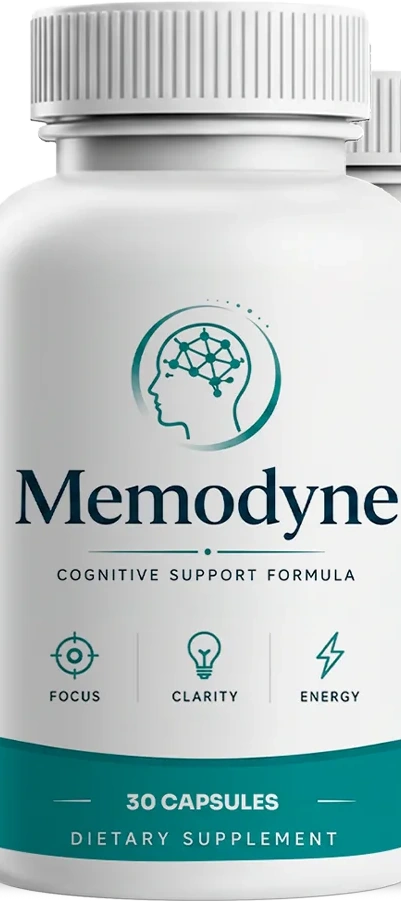
Reading a nootropic label well takes about sixty seconds once the habit sticks: check the serving math, confirm each active has a standardization percentage and a disclosed dose, make sure those doses are in the studied range, verify the right ingredient forms, scan the “Other Ingredients” line, and look for GMP and testing marks. Do that and you will consistently outshop people who only read the front of the bottle. For a broader tour of the botanicals themselves, our overview of nootropic herbs for memory and focus after 40 is a good next read — or see how these principles show up in the fully disclosed Memodyne formula.
A label you can actually read
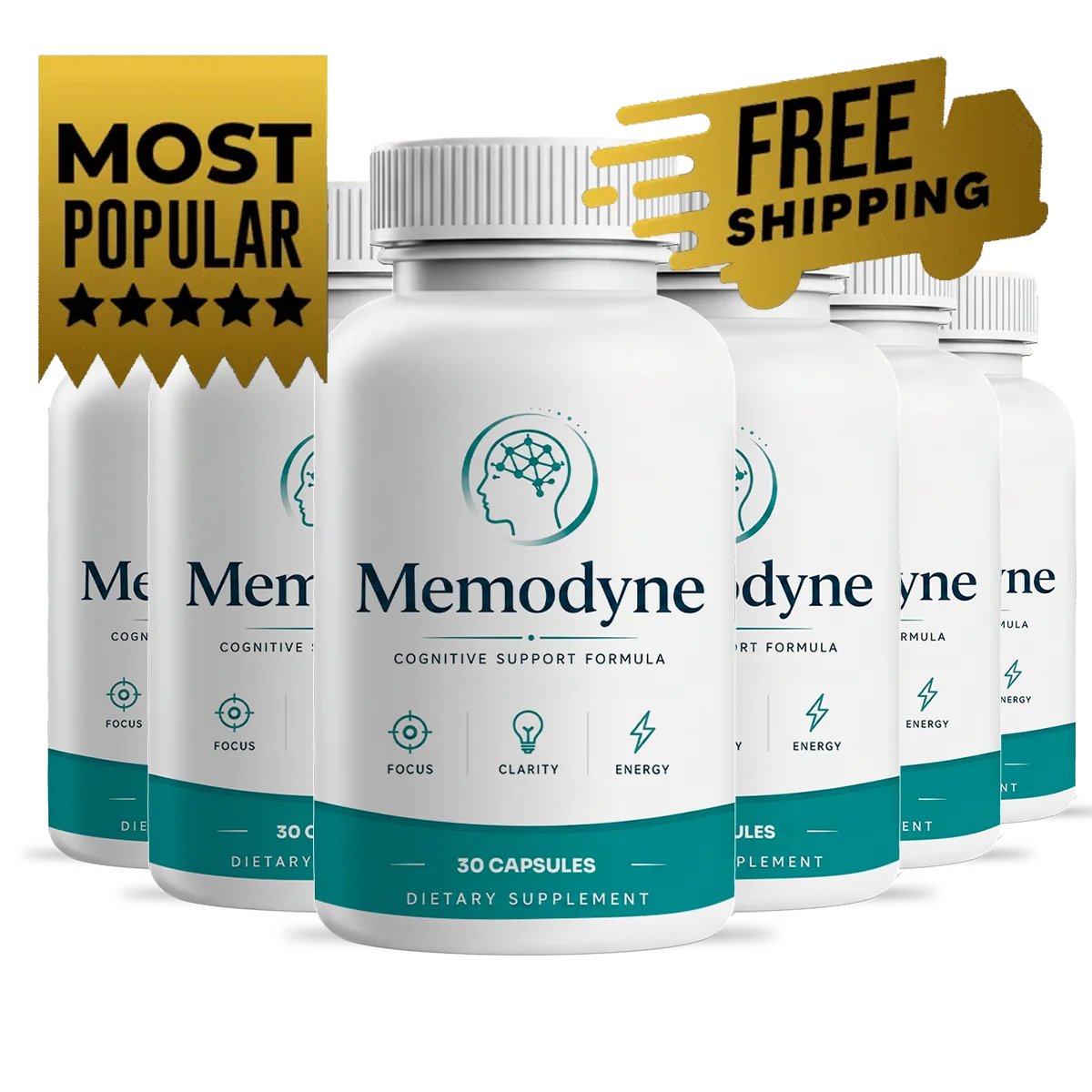
Memodyne is built on disclosed, studied-range doses of standardized botanicals — Bacopa, Lion’s Mane, L-theanine and more — made in a GMP, FDA-registered facility and backed by a 60-day guarantee.
See Memodyne PackagesFrequently asked questions
What does “standardized to a percentage” mean on a supplement label?
Standardization means the extract is guaranteed to contain a set percentage of its key active compound — for example, Bacopa standardized to 50% bacosides. It tells you the potency is controlled batch to batch, rather than left to chance.
Why are proprietary blends a problem?
A proprietary blend lists several ingredients under one combined weight without revealing how much of each is inside. That makes it impossible to know whether an active is present at a studied dose or just a token amount, so many informed buyers prefer fully disclosed labels.
What is a clinically studied dose?
It is the amount of an ingredient used in human research — for example, around 300 mg of standardized Bacopa. A label that matches studied doses is more trustworthy than one that includes a famous ingredient in a sprinkle too small to matter.
Do supplement quality seals matter?
Yes. Marks such as GMP manufacturing, an FDA-registered facility and third-party testing (for example USP or NSF) indicate the product was made and checked to recognised standards. They do not prove effectiveness, but they support quality and honesty.
Does ingredient form matter on a label?
It can matter a lot. The specific form — such as L-theanine versus generic theanine, or a fruiting-body mushroom extract versus mycelium on grain — affects how much active you actually receive, so the exact wording is worth reading closely.
References
- U.S. Food and Drug Administration — Dietary Supplement Labeling Guide and Supplement Facts requirements (fda.gov).
- Office of Dietary Supplements, National Institutes of Health — consumer guidance on reading supplement labels (ods.od.nih.gov).
- U.S. Pharmacopeia (USP) and NSF International — third-party verification program overviews.
- Federal Trade Commission — guidance on truthful supplement advertising and substantiation (ftc.gov).
† These statements have not been evaluated by the FDA. This product is not intended to diagnose, treat, cure or prevent any disease. This article is for general information only and is not medical advice.