Rhodiola Rosea for Mental Fatigue: How This Adaptogen Works
| What it is | Rhodiola rosea is an arctic-root adaptogen traditionally used for stamina and stress resilience. |
| How it works | Its rosavins and salidroside are studied for supporting the body’s stress response and easing stress-related mental fatigue. |
| Studied dosage | About 200–600 mg/day of an extract standardized to 3% rosavins, 1% salidroside. |
| Timing | Take it earlier in the day — it can be mildly energising. |

Some days your brain runs out of fuel long before the work does. You are not sleepy, exactly — just fried, foggy and short on drive. That particular flavour of tiredness is what people mean by mental fatigue, and it is the reason so many turn to one arctic herb in particular: Rhodiola rosea. This guide explains how Rhodiola rosea for mental fatigue actually works, what the adaptogen idea really means, the compounds and doses that matter, how it differs from slow-build herbs, and what to look for on a label so you get a genuine, well-standardized extract.
What is Rhodiola rosea?
Rhodiola rosea — also called golden root or roseroot — is a hardy plant that grows in the cold, high-altitude regions of Europe, Asia and the Arctic. Surviving in such a harsh environment is a big part of its story: traditional medicine in Russia, Scandinavia and the mountains of Central Asia valued the root for stamina, endurance and coping with demanding conditions. Soviet-era researchers studied it extensively for physical and mental performance under stress, which is where much of its modern reputation comes from.
That heritage points straight at what people use it for today: not a quick stimulant buzz, but support for holding it together when the pressure is on.
What are adaptogens?
Rhodiola belongs to a small, distinctive group of botanicals called adaptogens. The word describes plants traditionally used to help the body adapt to physical and mental stress and return to balance. Other well-known members include Panax ginseng and ashwagandha. The classic adaptogen idea is that, rather than pushing you in one direction like a stimulant or a sedative, these herbs are used to support the body’s own regulation — helping to steady you whether you are over-taxed or dragging.
It is worth stating plainly: adaptogens are general-wellness supplements, not treatments for any disease. But the framework helps explain why Rhodiola is reached for during exams, deadlines and long stretches of demanding work rather than as an everyday pick-me-up.

How does Rhodiola rosea work for mental fatigue?
Two families of compounds do the heavy lifting, and one central mechanism ties the research together.
Rosavins and salidroside
Rhodiola’s signature actives are the rosavins (rosavin, rosarin and rosin) and salidroside. These are the compounds researchers measure and standardize, and they are what a quality label guarantees. The most-studied extracts are standardized to a 3:1 ratio of rosavins to salidroside — typically 3% rosavins and 1% salidroside — because that mirrors the natural composition of the well-researched root.
Supporting the stress response
The mechanism most often described is Rhodiola’s role in supporting the body’s stress-response system. When you are under sustained pressure, stress signalling can leave you feeling depleted and unfocused. Rhodiola has been studied for helping to moderate that response and for supporting steady levels of the monoamine messengers — such as dopamine and serotonin — involved in drive and mood. The practical upshot people describe is less of the wrung-out, can’t-concentrate feeling during stressful stretches, and a bit more mental stamina to draw on.
Who reaches for Rhodiola — and when
Rhodiola tends to attract a particular kind of user: not someone chasing an all-day caffeine buzz, but someone facing a defined stretch of pressure and wanting to keep their head clear through it. Students in exam season, professionals through a punishing quarter, shift workers battling an irregular schedule, and anyone recovering their momentum after a draining few weeks all show up in the herb’s traditional and modern use. The common thread is stress-linked tiredness — the kind that comes from doing too much for too long, rather than from a single bad night’s sleep.
Because Rhodiola is used to support the body’s response to stress rather than to force energy, people often describe its effect as “taking the ceiling off” a demanding day — a little more capacity in reserve, a little less of the wrung-out feeling by mid-afternoon. It is not a substitute for rest, and it will not paper over genuine burnout, but as a supportive layer during intense periods it has earned its long reputation.
Rhodiola dosage and timing
Human research commonly uses roughly 200 to 600 mg per day of a standardized Rhodiola extract. Because it can be mildly energising, most people take it in the morning or early afternoon rather than the evening, to avoid interfering with sleep. Some protocols use a single daily dose; others split it. As always, follow the amount on your product, and if you are pregnant, nursing, or taking medication — particularly anything affecting mood — check with a healthcare professional first.
See the Adaptogen Support in Memodyne
Rhodiola vs. slow-build botanicals
One of the most useful things about Rhodiola is its speed relative to other nootropic herbs. Where Bacopa monnieri is judged over 8 to 12 weeks of daily use, several Rhodiola studies note effects on fatigue and stress within days. That makes it a natural complement to the long-game ingredients: Rhodiola for resilience during today’s stressful week, Bacopa for memory support built over the coming months. Add the in-the-moment calm focus of L-theanine and you have three ingredients covering three different time horizons.
What to look for on a Rhodiola label
Rhodiola is, unfortunately, a commonly adulterated herb — cheaper related species are sometimes substituted — so the label really matters here:
- The full botanical name. Look for Rhodiola rosea specifically, not just “Rhodiola” or a vague “roseroot,” which could be a different species.
- The 3:1 standardization. Look for “3% rosavins and 1% salidroside.” This is the single best marker of a genuine, well-studied extract.
- A disclosed milligram dose — not an ingredient hidden inside a proprietary blend.
- Third-party testing to confirm identity and purity, plus GMP manufacturing.
If those terms are unfamiliar, our step-by-step guide on how to read a nootropic supplement label explains standardization ratios and the proprietary-blend trap in detail. And for the wider family of memory botanicals, see our overview of nootropic herbs for memory and focus after 40.
Lifestyle: what makes any adaptogen work harder
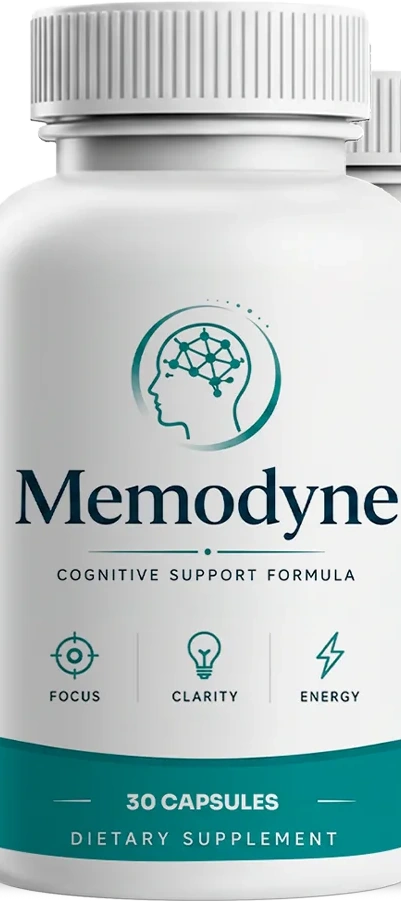
No herb can out-run a broken routine. Rhodiola supports resilience to stress, but the foundations still carry most of the load: protect your sleep, move your body most days, eat real food that keeps blood sugar steady, and build genuine recovery into demanding weeks. Think of Rhodiola as a supportive layer on top of good habits — not a substitute for them. Used that way, alongside a considered formula such as Memodyne, it can be a helpful ally through the seasons of life that ask the most of your mind.
Resilience, memory and focus — in one capsule
Memodyne combines adaptogen support with Bacopa, Lion’s Mane and L-theanine, so you cover stress resilience, memory and calm focus in a single daily capsule — backed by a 60-day guarantee.
See Memodyne PackagesFrequently asked questions
How does Rhodiola rosea help with mental fatigue?
Rhodiola is an adaptogen traditionally used to support the body’s response to stress. It is studied for helping to ease the tiredness and reduced concentration that come with demanding, stressful periods, which is why people reach for it during heavy workloads.
What is the studied Rhodiola rosea dosage?
Research commonly uses about 200 to 600 mg per day of a Rhodiola extract standardized to roughly 3% rosavins and 1% salidroside. It is usually taken earlier in the day because it can be mildly energising.
What are rosavins and salidroside?
They are the two main groups of active compounds in Rhodiola rosea. Quality extracts are standardized to a 3:1 ratio of rosavins to salidroside, which mirrors the composition of the well-studied root and is the marker to look for on a label.
How fast does Rhodiola work compared with Bacopa?
Rhodiola tends to be felt more quickly than slow-build herbs like Bacopa — some studies note effects on fatigue within days. Bacopa, by contrast, is judged over 8 to 12 weeks, which is why the two are often used together.
What are adaptogens?
Adaptogens are a group of botanicals — including Rhodiola, Panax ginseng and ashwagandha — traditionally used to help the body adapt to physical and mental stress and maintain balance. They are supplements for general wellness, not treatments for any disease.
References
- National Center for Complementary and Integrative Health — Rhodiola overview (nccih.nih.gov).
- Office of Dietary Supplements, National Institutes of Health — botanical ingredient fact sheets (ods.od.nih.gov).
- Phytomedicine and Planta Medica — controlled trials of standardized Rhodiola rosea extract on stress-related fatigue.
- Journal of Ethnopharmacology — reviews of adaptogens, rosavins and salidroside.
† These statements have not been evaluated by the FDA. This product is not intended to diagnose, treat, cure or prevent any disease. This article is for general information only and is not medical advice.