Acetyl-L-Carnitine Benefits for Brain Energy and Focus: How This Nootropic Works
| What it is | Acetyl-L-carnitine (ALCAR) is an acetylated form of the amino-acid-like compound L-carnitine that crosses into the brain more readily. |
| How it works | It helps carry fatty acids into mitochondria for energy and supplies an acetyl group used to make acetylcholine. |
| Studied dosage | About 500–2,000 mg/day, often split into two earlier-in-the-day doses. |
| Timeline | A cleaner sense of mental energy can come early; cognitive outcomes are measured over weeks to months. |

When people talk about “brain fog” or that mid-afternoon mental crash, they are usually describing an energy problem — and few nootropic ingredients speak to energy as directly as acetyl-L-carnitine. Often shortened to ALCAR, it sits at the crossroads of two things the brain cares about deeply: how efficiently your cells make fuel, and how well you can hold attention on a task. This guide walks through the real acetyl-L-carnitine benefits for brain energy and focus in plain language — what the compound is, how it is thought to work, the dose that shows up in research, how long it takes, and what to check on a label so you actually get the studied form.
What is acetyl-L-carnitine?
Carnitine is a naturally occurring compound your body makes from the amino acids lysine and methionine, and it also arrives in the diet, mostly from red meat. Its day job is unglamorous but essential: it ferries long-chain fatty acids across the membrane of the mitochondria, the tiny power plants inside every cell, where those fats are burned for energy. Without carnitine, that fuel largely stays locked outside the furnace.
Acetyl-L-carnitine is simply carnitine with an acetyl group attached. That small chemical tweak has two big consequences. First, ALCAR crosses the blood-brain barrier more readily than plain L-carnitine, which is why it is the form studied for cognition rather than the form marketed mainly for exercise. Second, that acetyl group is itself a useful building block: the body can hand it to the enzyme system that produces acetylcholine, the neurotransmitter most closely tied to memory and learning. In other words, ALCAR shows up carrying both fuel and raw material.
How does acetyl-L-carnitine work for brain energy and focus?
You do not need a biochemistry degree to follow ALCAR’s story, because it really comes down to three overlapping roles. It helps to picture them working together rather than as a single switch.
1. Fuelling the mitochondria
The brain is astonishingly hungry, consuming roughly a fifth of the body’s energy despite its modest weight. That energy is made inside mitochondria, and carnitine is the shuttle that keeps fatty-acid fuel moving into them. By supporting this transport step, acetyl-L-carnitine is studied for its role in helping brain cells keep their energy production running smoothly — which is the mechanistic reason so many users describe a “cleaner,” non-jittery kind of alertness rather than a stimulant buzz.
2. Supplying acetyl groups for acetylcholine
Memory and focus lean heavily on acetylcholine. To build it, the brain needs a choline source and an acetyl unit joined together. Acetyl-L-carnitine can donate that acetyl unit, which is why it is often paired with a choline ingredient such as citicoline (CDP-choline). Think of choline as the bricks and the acetyl group as the mortar — you want both on hand.
3. Antioxidant and membrane support
High energy output produces oxidative by-products, and aging mitochondria tend to run less cleanly. ALCAR has been studied for antioxidant-related activity in nervous tissue and for supporting the health of cell membranes, which fits its traditional pairing with alpha-lipoic acid in mitochondrial research. Put the three threads together and you get a picture of a compound that supports the energetic infrastructure of thinking rather than delivering a short-lived spike.

Acetyl-L-carnitine benefits people look for
It is worth stating the honest framing first: ALCAR is a dietary supplement, not a medicine, and it is not intended to diagnose, treat, cure or prevent any condition. With that in mind, here is what draws people to it and what the research tradition emphasises:
- Steady mental energy. Because it feeds mitochondrial fuelling, many people describe less of the “flat battery” feeling in the afternoon.
- Focus and mental clarity. Its link to acetylcholine is why it is grouped with memory-and-attention ingredients rather than pure stimulants.
- Support for healthy aging cognition. Much of the human research has looked at older adults, since mitochondrial efficiency naturally shifts with age.
- Physical-plus-mental output. Carnitine’s energy role means ALCAR is popular with people who want steady stamina for both body and mind.
Acetyl-L-carnitine dosage: what the research actually uses
This is where a little precision saves you money and disappointment. When you read about a “studied dose,” it usually falls in a fairly wide band.
The common range
Most human research uses somewhere between 500 mg and 2,000 mg of acetyl-L-carnitine per day. Higher-end protocols — often around 1,500–2,000 mg — tend to split the amount into two doses, typically morning and early afternoon. Everyday supplement products frequently land at 500–1,500 mg per serving. There is no need to chase the ceiling; a sensible, consistent amount within this range is the reliable reference point.
Timing and food
Because ALCAR supports energy metabolism and can feel mildly activating, most people take it earlier in the day rather than at night. It can be taken with or without food, though some prefer it with a meal to sidestep the mild stomach upset a minority notice on an empty stomach.
ALCAR vs. plain L-carnitine and L-carnitine tartrate
Labels can be confusing here. Acetyl-L-carnitine is the form linked to brain support. L-carnitine tartrate is popular in sports formulas for exercise recovery, and plain L-carnitine is used broadly for general energy metabolism. They are relatives, not identical twins — so if cognition is your goal, make sure the word acetyl appears on the label.
See the Memodyne Cognitive Blend
How long does acetyl-L-carnitine take to work?
ALCAR is a little unusual among nootropics because it can work on two timescales at once. Since it feeds mitochondrial energy production directly, some people notice a cleaner sense of mental stamina within the first several days. The cognitive outcomes measured in controlled research, however, are generally assessed over several weeks to a few months of daily use. As with most botanicals and cofactors, treat it as a daily habit rather than an on-demand pill, and judge it after a fair stretch of consistent use rather than a single afternoon.
What to look for on an acetyl-L-carnitine label
Two products can look identical and deliver very different things. Scan for these details before you buy:
- The exact form. Look for “acetyl-L-carnitine” or “ALCAR,” not merely “L-carnitine” or “L-carnitine tartrate,” if cognition is your goal.
- The milligrams per serving. A good label states the actual amount rather than hiding it inside a vague proprietary blend.
- Sensible pairings. A choline source alongside ALCAR is a logical combination for acetylcholine support.
- Clean manufacturing. Made in a GMP-compliant, FDA-registered facility, with third-party testing where possible.
If Supplement Facts panels still feel like a foreign language, our full walk-through — how to read a nootropic supplement label — breaks down every line, including forms, milligrams and the proprietary-blend trap.

How acetyl-L-carnitine fits with other nootropic ingredients
ALCAR rarely travels alone in a well-designed formula, and that is deliberate. It supplies energy and acetyl units, but it is not a memory herb or a calm-focus amino acid on its own. Pairing it with complementary actives covers more ground:
- Citicoline (CDP-choline) supplies the choline that acetyl groups combine with to form acetylcholine.
- Bacopa monnieri supports memory over the long haul through a different, dendrite-focused mechanism.
- Rhodiola rosea and other adaptogens round out resilience to everyday mental fatigue.
For the bigger picture of how these botanicals and cofactors fit together, see our overview of nootropic herbs for memory and focus after 40. And of course, an all-in-one daily capsule like Memodyne removes the hassle of buying, measuring and remembering several separate jars.
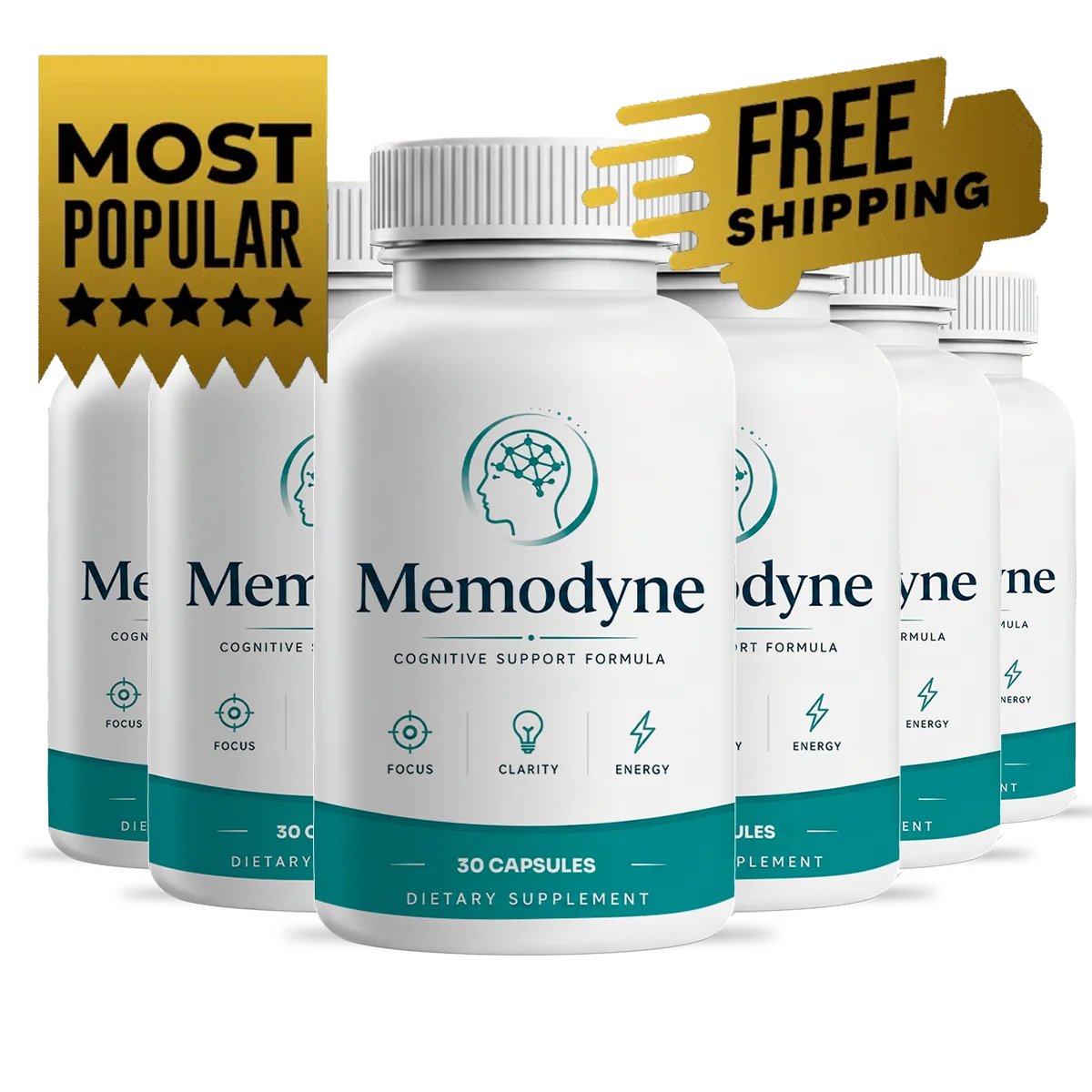
Brain-energy support, done for you — daily
Memodyne combines cognition-supporting botanicals and cofactors in one easy daily capsule so you do not have to assemble a shelf of separate bottles — backed by a 60-day guarantee.
See Memodyne PackagesFrequently asked questions
What is the recommended acetyl-L-carnitine dosage?
Most research uses roughly 500 to 2,000 mg of acetyl-L-carnitine per day, frequently split into two doses taken earlier in the day. Supplement products commonly provide 500 to 1,500 mg per serving. Follow the amount printed on your product and check with your clinician if you take medication or have a thyroid or seizure history.
What is the difference between acetyl-L-carnitine and L-carnitine?
L-carnitine is the base compound that shuttles fatty acids into mitochondria for energy. Acetyl-L-carnitine (ALCAR) is L-carnitine with an acetyl group attached, which helps it cross the blood-brain barrier more readily and provides an acetyl unit the body can use to build acetylcholine, the memory neurotransmitter. For cognitive support, ALCAR is the form usually studied.
How long does acetyl-L-carnitine take to work?
Some people notice a cleaner sense of mental energy within the first days because carnitine feeds mitochondrial energy production directly. Cognitive outcomes in research, however, are typically measured over several weeks to a few months of daily use, so consistency matters more than any single dose.
When is the best time to take acetyl-L-carnitine?
Because ALCAR supports energy metabolism and can feel mildly activating, most people take it in the morning or early afternoon rather than at night. It can be taken with or without food; splitting a larger amount into two earlier doses is common.
Can acetyl-L-carnitine be combined with other nootropics?
Yes. ALCAR is often paired with a choline source and with botanicals such as Bacopa or Lion’s Mane because they support cognition through different mechanisms. If you take prescription medication, speak with a healthcare professional before combining supplements.
References
- Office of Dietary Supplements, National Institutes of Health — carnitine fact sheet and role in fatty-acid metabolism (ods.od.nih.gov).
- National Center for Complementary and Integrative Health — overviews of supplement ingredients and safety (nccih.nih.gov).
- Reviews in the biochemistry of mitochondrial energy metabolism and the carnitine shuttle (peer-reviewed literature).
- Controlled trials of acetyl-L-carnitine on cognitive outcomes in older adults (clinical journals).
† These statements have not been evaluated by the FDA. This product is not intended to diagnose, treat, cure or prevent any disease. This article is for general information only and is not medical advice.