Curcumin Benefits for Brain and Memory: How Turmeric’s Active Compound Works
| What it is | Curcumin is the main active curcuminoid in the spice turmeric — the compound behind its golden colour. |
| How it works | Studied for antioxidant activity, a healthy inflammatory balance, and support for BDNF, a neuron-growth protein. |
| Studied dosage | Often 500–1,000 mg/day of curcumin — but the right amount depends on the absorption formula. |
| Key tip | Plain curcumin absorbs poorly; look for an enhanced-absorption form and take it with fat. |

Turmeric has coloured curries and Ayurvedic remedies for thousands of years, but the modern interest in it comes down to one compound: curcumin. It is the golden pigment’s active ingredient, and it has become one of the most researched plant compounds in nutrition — including for the brain. This guide explains the real curcumin benefits for brain and memory in plain language: what curcumin is, how it is thought to work, the famous absorption problem, the dose that shows up in research, and what to look for on a label so you do not waste money on a product your body cannot use.
What is curcumin?
Turmeric is the root of Curcuma longa, a relative of ginger. Within it sits a small family of compounds called curcuminoids, of which curcumin is the star. Here is the surprise most people miss: curcumin makes up only a few percent of turmeric by weight. So while sprinkling turmeric on your food is a lovely culinary and traditional practice, it delivers a modest amount of curcumin. Supplements exist precisely to concentrate and standardize that active fraction into a meaningful dose.
Chemically, curcumin is a polyphenol — the same broad category as the beneficial compounds in green tea, berries and olive oil. Polyphenols are best known for antioxidant activity, and that is the doorway to understanding curcumin’s appeal for the brain.
How does curcumin work for the brain and memory?
Curcumin does not work like a stimulant or a neurotransmitter precursor. Its story is about maintaining a healthy brain environment, and it comes down to three overlapping actions.
1. Antioxidant activity
The brain’s high metabolism generates oxidative by-products, and curcumin is a well-studied antioxidant that can help neutralise free radicals and support the body’s own antioxidant defences. A calmer oxidative environment is friendlier to the delicate machinery of neurons.
2. Support for a healthy inflammatory balance
Curcumin’s best-known research angle is its support for a healthy inflammatory response. Low-grade, chronic inflammation is increasingly discussed in the context of brain aging, so a compound that helps the body keep inflammation in balance is naturally of interest for long-term cognitive wellness.
3. Support for BDNF
One of the most intriguing lines of research looks at curcumin’s potential to support BDNF — brain-derived neurotrophic factor — a protein that acts like fertiliser for neurons, helping them grow, connect and survive. This is a mechanism it shares conceptually with Lion’s Mane mushroom, which is studied for supporting nerve-growth signalling. Higher BDNF activity is associated with healthy learning and memory.
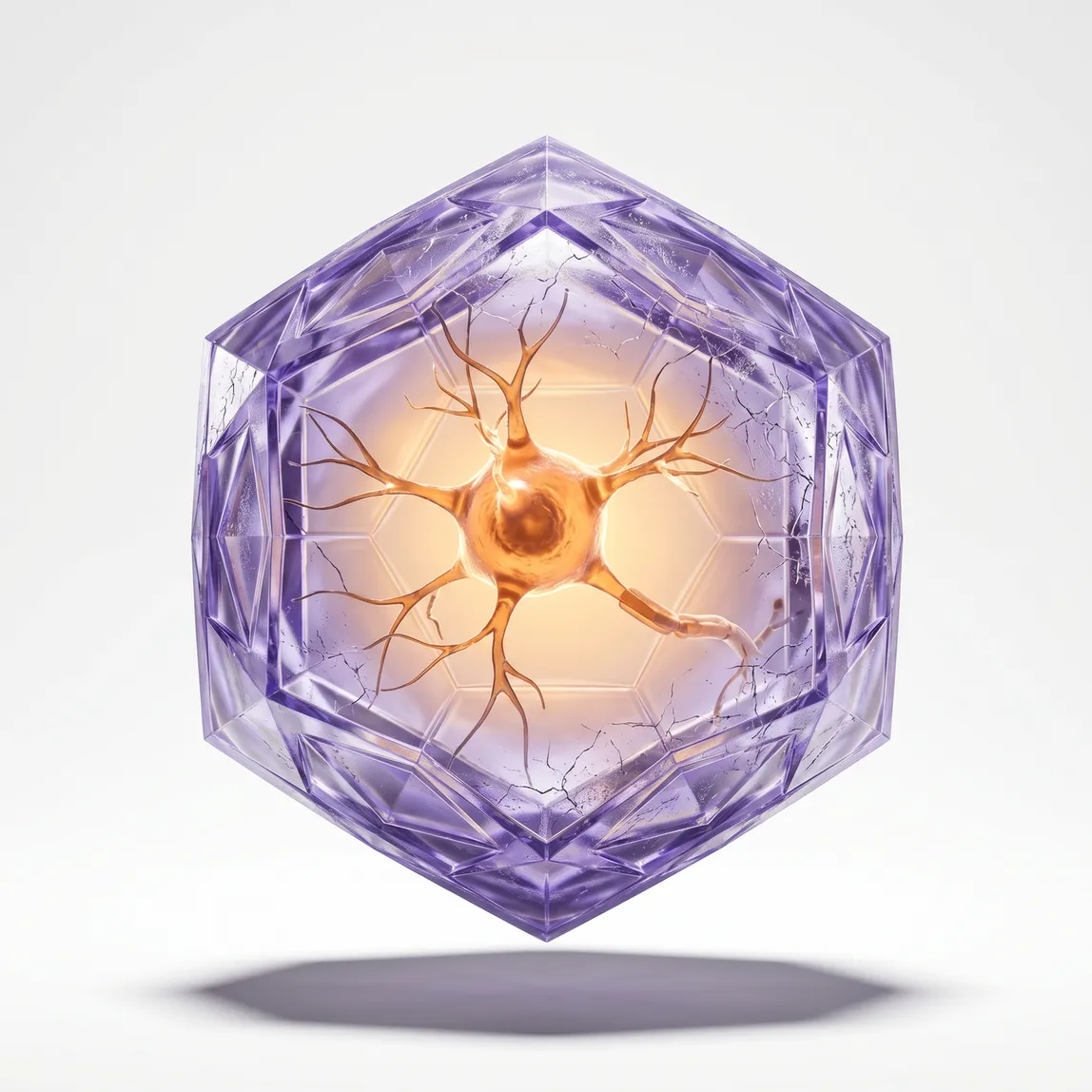
Together, these threads describe a botanical that works on the terrain of the brain — the oxidative and inflammatory background against which thinking happens — rather than delivering a fast, felt effect.
Curcumin benefits people look for
The honest framing first: curcumin is a dietary supplement, not a medicine, and it is not intended to diagnose, treat, cure or prevent any condition. With that in mind, here is what draws people to it:
- Brain and memory support. Its antioxidant, inflammatory-balance and BDNF-related actions are the cognitive angle.
- Joint comfort and everyday inflammation balance. The reason many people take it in the first place.
- Mood and wellbeing. An area of active research linked to its BDNF and inflammatory-balance effects.
- Healthy aging. A long-term, foundational approach rather than an acute one.
The curcumin absorption problem — and how good products solve it
This is the single most important thing to understand before buying curcumin, because it explains why two products at the same milligram count can be worlds apart.
Plain curcumin is poorly absorbed. It is fat-soluble, it is broken down quickly in the gut and liver, and what does get through is cleared rapidly. Swallow ordinary curcumin powder and much of it simply passes through. Quality manufacturers get around this with enhanced-absorption technologies:
- Piperine (black pepper extract). A small amount can dramatically slow curcumin’s breakdown, raising blood levels.
- Phospholipid complexes. Binding curcumin to phospholipids (a well-known branded approach) improves uptake.
- Nanoparticle and liposomal delivery. Shrinking particle size or wrapping curcumin in fat spheres boosts absorption.
The practical takeaway: a lower dose of a well-formulated, enhanced-absorption curcumin can outperform a big dose of cheap, plain powder. And whatever you use, take it with a meal that contains some fat.
See the Memodyne Cognitive Blend
Curcumin dosage: what the research actually uses
Human research often uses around 500 to 1,000 mg of curcumin per day, but — and this is the crucial caveat — the meaningful amount depends heavily on the formulation because absorption varies so widely. An enhanced-absorption product may deliver more usable curcumin at a lower label number than a plain extract at a higher one. Read the fine print about the delivery system, not just the headline milligrams, and follow the amount your product recommends.
What to look for on a curcumin label
- Standardized curcuminoids. Look for an extract standardized to a high percentage of curcuminoids (often ~95%), not raw turmeric powder.
- An absorption strategy. Piperine, a phospholipid complex, or a liposomal/nanoparticle delivery — something addressing bioavailability.
- The curcumin milligrams. Read the actual curcumin/curcuminoid amount, not the total turmeric weight.
- Clean manufacturing. Made in a GMP-compliant, FDA-registered facility, with third-party testing where possible.
If Supplement Facts panels still feel like a foreign language, our full walk-through — how to read a nootropic supplement label — breaks down every line, including standardization percentages and absorption claims.
How curcumin fits with other nootropic ingredients
Curcumin works on the brain’s environment, so it complements actives with different mechanisms:
- DHA omega-3 shares curcumin’s interest in a healthy inflammatory balance and builds neuron membranes.
- Lion’s Mane mushroom supports nerve-growth signalling, a natural partner to curcumin’s BDNF angle.
- Bacopa monnieri adds antioxidant support and a dedicated memory mechanism.
For the bigger picture of how these botanicals and nutrients fit together, see our overview of nootropic herbs for memory and focus after 40. And an all-in-one daily capsule like Memodyne removes the hassle of buying, measuring and remembering several separate jars.
Brain-terrain support, done for you — daily
Memodyne brings cognition-supporting botanicals into one easy daily capsule so you can keep your routine simple — backed by a 60-day guarantee.
See Memodyne PackagesFrequently asked questions
How does curcumin benefit the brain?
Curcumin is the main active compound in turmeric. It is studied for its antioxidant activity and its support for a healthy inflammatory balance, and for its potential role in supporting BDNF, a protein involved in the growth and maintenance of neurons. Together these are why it is discussed in the context of brain and memory support.
Why is curcumin absorption a problem?
Plain curcumin is poorly absorbed on its own because it is fat-soluble, is broken down quickly, and is rapidly cleared. That is why quality products use enhanced-absorption formulations, such as curcumin combined with black pepper extract (piperine), a phospholipid complex, or nanoparticle and liposomal delivery, to raise how much reaches the bloodstream.
What is the studied curcumin dosage?
Research often uses around 500 to 1,000 mg of curcumin per day, though the effective amount depends heavily on the formulation because absorption varies so widely. Enhanced-absorption products can be effective at lower curcumin amounts. Follow the amount on your product and take it with food that contains some fat.
Is turmeric the same as curcumin?
Not exactly. Turmeric is the whole root and spice, and curcumin (part of a group called curcuminoids) is only a few percent of it by weight. Cooking with turmeric provides culinary and traditional benefits, but supplements use concentrated, standardized curcumin extracts to deliver a meaningful amount of the active compound.
Can curcumin be taken with other nootropics?
Yes. Curcumin is often paired with omega-3s and botanicals such as Bacopa and Lion’s Mane because it supports the brain through a different, inflammation-and-antioxidant mechanism. If you take blood thinners or other medication, speak with a healthcare professional first.
References
- National Center for Complementary and Integrative Health — turmeric and curcumin overview (nccih.nih.gov).
- Office of Dietary Supplements, National Institutes of Health — botanical ingredient fact sheets (ods.od.nih.gov).
- Peer-reviewed reviews of curcumin bioavailability and enhanced-absorption delivery systems (pharmacology journals).
- Research on curcumin, antioxidant activity, inflammatory balance and BDNF (clinical and preclinical literature).
† These statements have not been evaluated by the FDA. This product is not intended to diagnose, treat, cure or prevent any disease. This article is for general information only and is not medical advice.