DHA Omega-3 Benefits for Memory and Brain Health: How This Fatty Acid Works
| What it is | DHA (docosahexaenoic acid) is a long-chain omega-3 fatty acid that is the main structural fat in brain-cell membranes. |
| How it works | It is built into neuron membranes, keeping them fluid so signalling, receptors and connections work smoothly. |
| Studied dosage | Baseline wellness ~250–500 mg EPA+DHA; cognition research is often DHA-forward at 500–1,000 mg DHA. |
| Timeline | A build-over-time nutrient — tissue levels rise over weeks, outcomes measured over months. |

If any nutrient can claim to be a literal building block of the brain, it is DHA omega-3. Roughly two-thirds of the brain is fat by dry weight, and DHA is the single most abundant omega-3 in that tissue — concentrated in the very membranes your neurons use to send and receive signals. This guide explains the real DHA omega-3 benefits for memory and brain health in plain language: what DHA is, how it works structurally, the difference between DHA and EPA, the dose that shows up in research, and what to look for on a label so you actually get a clean, potent product.
What is DHA omega-3?
Omega-3s are a family of essential fatty acids — “essential” because your body cannot make them in meaningful amounts and must get them from food. The three you hear about most are ALA (from plants like flax and walnuts) and the two long-chain marine forms, EPA (eicosapentaenoic acid) and DHA (docosahexaenoic acid). The body can convert a little ALA into EPA and DHA, but the conversion is inefficient, which is why direct sources of DHA matter so much.
DHA is the standout for the brain. It is the structural omega-3 packed into neuronal membranes and the retina of the eye, and it is present in high amounts in breast milk precisely because a developing brain demands it. That structural role is the key to understanding why DHA is treated as a foundational brain nutrient rather than a quick-acting nootropic.
How does DHA support memory and brain health?
DHA’s story is refreshingly intuitive once you picture where it goes. Rather than acting like a switch, it becomes part of the hardware itself.
1. It keeps neuron membranes fluid
Every brain cell is wrapped in a membrane made largely of fats, and DHA’s long, flexible shape helps keep that membrane fluid rather than stiff. Fluidity matters because the receptors, ion channels and signalling proteins embedded in the membrane need to move and change shape to work. A membrane rich in DHA is, in effect, a better-functioning switchboard for communication between neurons.
2. It supports synapses and connectivity
The junctions where neurons meet — synapses — are especially rich in DHA. By supporting the integrity of these connection points, DHA is studied for its role in healthy signalling and the plasticity that underlies learning and memory. This is why it pairs conceptually with ingredients that build membranes from another angle, such as phosphatidylserine.
3. It supports a healthy inflammatory balance
Omega-3s are precursors to signalling molecules involved in resolving inflammation. Maintaining a healthy balance between omega-3 and omega-6 fats is one of the ways diet influences the brain’s everyday environment. EPA tends to lead here, which is one reason many products supply both fatty acids together.

Put those threads together and you get a nutrient that works on the fabric of the brain. That is also why DHA is a poor choice if you want something you can feel within an hour — and an excellent choice as a long-term foundation.
DHA omega-3 benefits people look for
The honest framing first: omega-3 is a dietary supplement, not a medicine, and it is not intended to diagnose, treat, cure or prevent any condition. With that in mind, here is what draws people to DHA and what the research tradition emphasises:
- Memory and cognition support. As the brain’s main structural omega-3, DHA is the form most associated with cognitive outcomes.
- Healthy aging of the mind. Much research has looked at omega-3 status in older adults, since dietary intake is often low.
- Eye health. DHA is also concentrated in the retina, so brain and vision benefits often travel together.
- Mood and everyday balance. Here EPA tends to play a larger role, which is why balanced EPA+DHA products are popular.
DHA dosage: what the research actually uses
Precision helps here because omega-3 labels can be deceptive. The number on the front of the bottle (“1,000 mg fish oil”) is often not the amount of actual omega-3 you get.
Baseline vs. cognition-focused amounts
General wellness guidance commonly points to a combined EPA + DHA intake of about 250–500 mg per day as a sensible baseline for adults who do not eat much oily fish. Research aimed specifically at cognition often uses higher, DHA-forward amounts — frequently in the 500–1,000 mg DHA range. There is no need to megadose; consistency at a sensible amount is what raises your tissue levels over time.
Read the DHA number, not the fish-oil number
A capsule labelled “1,000 mg fish oil” might contain only 300 mg of combined EPA and DHA — the rest is other fats. Always flip to the Supplement Facts panel and read the specific milligrams of DHA (and EPA) per serving. This is the single most common place shoppers overpay for underpowered products.
Take it with food
Omega-3s are fat-soluble, so DHA is best taken with a meal that contains some fat. This supports absorption and heads off the fishy aftertaste or mild burping that some people notice on an empty stomach.
See the Memodyne Cognitive Blend
DHA vs. EPA: which one for the brain?
This is the question that trips up most shoppers. Both are valuable, but they have different centres of gravity. DHA is the structural fatty acid concentrated in brain and eye tissue, so it is the one most tied to memory and cognition. EPA is more associated with a healthy inflammatory balance and mood. Many excellent products supply both; if your primary goal is cognitive support, a formula that leans DHA-forward is a logical choice.
Fish oil vs. algae oil
Both can be great sources of DHA. Fish oil is the traditional, often cost-effective source. Algae oil is a plant-based option — and, fittingly, fish get their omega-3s from algae in the first place — making it ideal for vegetarians and vegans, since it delivers DHA directly. What matters more than the source is the actual DHA milligrams, third-party purity testing (for heavy metals and oxidation), and freshness.
What to look for on a DHA label
- Stated DHA milligrams. Read the DHA and EPA numbers per serving, not the total fish-oil weight.
- A DHA-forward ratio for cognition. If memory is your goal, favour products where DHA is prominent.
- Purity and freshness testing. Look for third-party testing for heavy metals and oxidation (a rancid oil helps no one).
- The form and source. Triglyceride-form omega-3s are well absorbed; algae oil is the vegan-friendly route.
If Supplement Facts panels still feel like a foreign language, our full walk-through — how to read a nootropic supplement label — breaks down every line so you can compare products fairly.
How DHA fits with other nootropic ingredients
DHA is a foundation, not a stimulant, so it pairs naturally with actives that work through other mechanisms:
- Phosphatidylserine is another membrane-building nutrient that complements DHA’s structural role.
- Bacopa monnieri supports memory over the long haul through a dendrite-focused mechanism.
- Ginkgo biloba supports healthy circulation, helping deliver nutrients and oxygen to brain tissue.
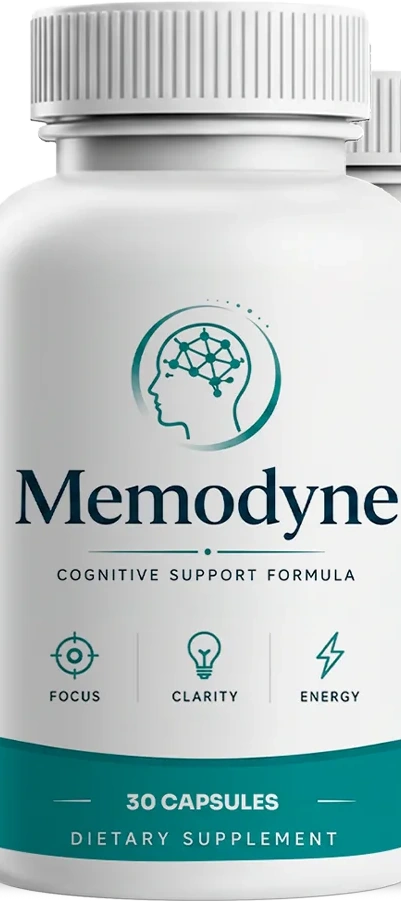
For the bigger picture of how these nutrients and botanicals fit together, see our overview of nootropic herbs for memory and focus after 40. And a complete daily formula like Memodyne is designed to sit alongside a healthy, omega-3-rich diet.
Brain-nutrition support, done for you — daily
Memodyne brings cognition-supporting botanicals into one easy daily capsule to complement an omega-3-rich diet — backed by a 60-day guarantee.
See Memodyne PackagesFrequently asked questions
How much DHA omega-3 should I take for the brain?
General wellness guidance often points to a combined EPA plus DHA intake of about 250 to 500 mg per day as a baseline, while research focused on cognition frequently uses higher DHA-forward amounts, commonly in the 500 to 1,000 mg DHA range. Follow the amount on your product and speak with your clinician if you take blood thinners or are pregnant.
What is the difference between DHA and EPA?
DHA (docosahexaenoic acid) and EPA (eicosapentaenoic acid) are the two main long-chain omega-3s from marine sources. DHA is the structural fatty acid concentrated in brain-cell membranes and the retina, so it is the one most associated with memory and cognition. EPA is more associated with a healthy inflammatory balance and mood. Many good products supply both, and cognition-focused formulas lean DHA-forward.
Is fish oil or algae oil better for DHA?
Both can be excellent sources. Fish oil is the traditional source and is often cost-effective, while algae oil is a plant-based option that delivers DHA directly and suits vegetarians and vegans. What matters most is the actual DHA milligrams per serving, third-party purity testing, and freshness.
How long does it take for omega-3 to help the brain?
Omega-3s are incorporated into cell membranes gradually, so this is a build-over-time nutrient rather than a same-day one. It can take weeks for blood and tissue omega-3 levels to rise, and cognitive research generally measures outcomes over several months of consistent daily intake.
Should DHA omega-3 be taken with food?
Yes. Omega-3 fatty acids are fat-soluble, so taking them with a meal that contains some fat improves absorption and reduces the fishy aftertaste or mild burping that some people notice on an empty stomach.
References
- Office of Dietary Supplements, National Institutes of Health — omega-3 fatty acids fact sheet (ods.od.nih.gov).
- National Center for Complementary and Integrative Health — omega-3 supplements overview (nccih.nih.gov).
- Dietary Guidelines and seafood-intake recommendations for EPA and DHA (health.gov).
- Peer-reviewed reviews of DHA in neuronal membrane structure and cognition (clinical journals).
† These statements have not been evaluated by the FDA. This product is not intended to diagnose, treat, cure or prevent any disease. This article is for general information only and is not medical advice.