Phosphatidylserine Benefits for Memory: How This Brain Phospholipid Works
| What it is | Phosphatidylserine (PS) is a phospholipid — a fatty building block of cell membranes that is especially concentrated in brain cells. |
| How it works | It is studied for supporting membrane fluidity, healthy neurotransmitter activity and a balanced cortisol response to stress. |
| Studied dosage | About 300 mg/day, often as 100 mg three times with meals; ~100 mg/day for maintenance. |
| Timeline | Benefits are typically measured after 6–12 weeks of daily use, not overnight. |

Most nootropic ingredients are plant extracts. Phosphatidylserine is different, and that difference is exactly why it is worth understanding. It is not a herb your body treats as foreign — it is a substance your own brain cells are literally built from. This guide explains, in plain language, the real phosphatidylserine benefits for memory: what the compound is, how it is thought to work, the dose that shows up in research, how long it takes, the sunflower-versus-soy question, and what to check on a label so you get the actual active you are paying for.
What is phosphatidylserine?
Phosphatidylserine — usually shortened to PS — is a phospholipid, a type of fat molecule that forms the double-layered “skin” around every one of your cells. Phospholipids are what make cell membranes both sturdy and flexible, letting the right things in and keeping the wrong things out. PS is one of the most important members of this family in the nervous system: it is highly concentrated in brain-cell membranes, where it plays a role in how neurons hold their shape, communicate and stay responsive.
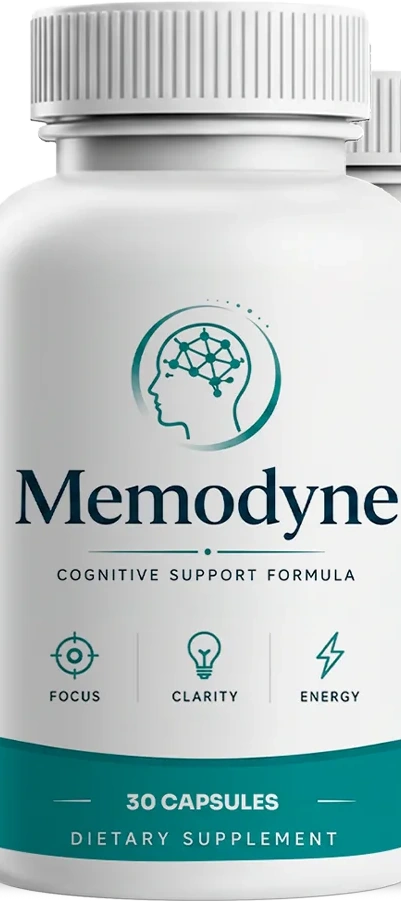
Your body can make some phosphatidylserine on its own, and small amounts appear in foods. But because it is so central to brain-cell membranes — and because those membranes are constantly being maintained and renewed — PS has become one of the most studied membrane nutrients in the cognitive category, and a natural complement to the botanical actives in Memodyne’s blend.
How does phosphatidylserine work?
PS does not act like a stimulant or a herbal extract. Its story is structural, and it runs along three main lines.
1. Membrane fluidity and repair
Cell membranes are not static walls; they are living, fluid layers that need the right mix of fats to work properly. Phosphatidylserine helps keep neuronal membranes fluid and flexible, which matters because a healthy membrane is the stage on which almost every neuronal event — receiving a signal, releasing a neurotransmitter, forming a connection — takes place.
2. Healthy neurotransmitter activity
Because receptors and the machinery that releases neurotransmitters are embedded in the membrane, the quality of that membrane influences signalling. PS has been studied for supporting healthy activity of messengers involved in memory and attention — a membrane-level contribution rather than a direct chemical push.
3. A balanced cortisol response
One of the most distinctive threads in PS research is its relationship with cortisol, the body’s main stress hormone. PS has been studied for supporting a more balanced cortisol response to physical and mental stress. Since runaway stress is a well-known enemy of clear thinking and recall, this stress-buffering angle is part of why PS is associated with memory and composure under pressure.
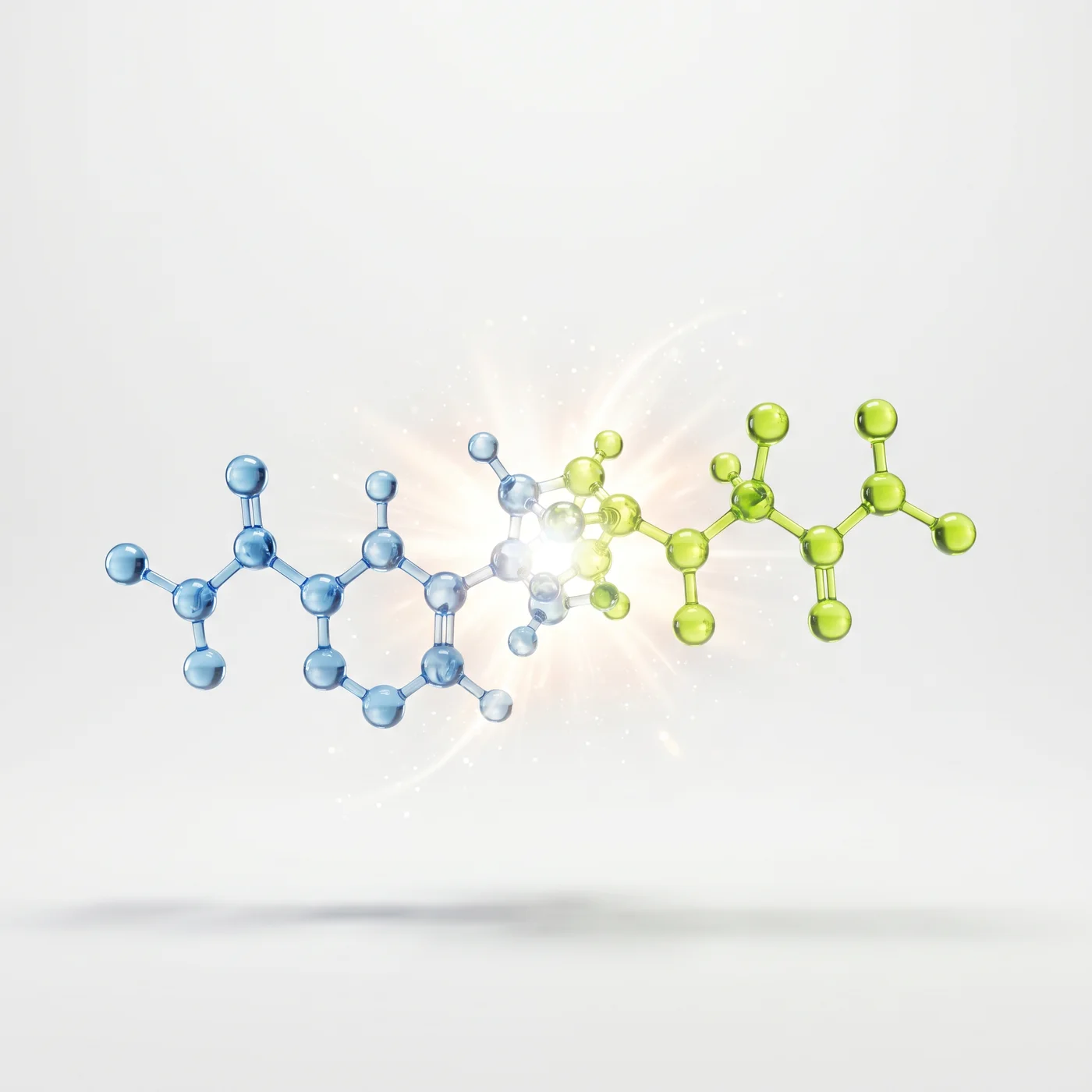
Put those threads together and you get a nutrient that works on the hardware of the brain — the membranes themselves — rather than delivering a fast, felt effect. That structural role is a good complement to a herb like Bacopa monnieri, which works on signalling and dendrites, and to Lion’s Mane, which is studied for nerve-growth signalling.
Phosphatidylserine benefits people look for
Let us be honest about benefits: PS is a supplement, not a medicine, and it is not intended to diagnose, treat, cure or prevent any condition. With that framing, here is what draws people to it:
- Everyday memory and recall. The most-studied cognitive angle, especially in older adults wanting steady day-to-day sharpness.
- Focus and mental processing. Some research looks at attention and speed on cognitive tasks.
- Composure under stress. The cortisol connection makes PS popular with people juggling demanding schedules.
- Post-exertion recovery. PS has also been studied in the context of the stress load from intense exercise.
Phosphatidylserine dosage: what the research actually uses
Here precision genuinely saves you money, because labels can be misleading if you do not know what to look for.
The studied dose
The classic research dose is 300 mg per day, frequently taken as 100 mg three times daily with meals. Many people step down to a maintenance dose of around 100 mg per day after an initial period. Some memory studies in older adults used 300 mg/day across several weeks, which is why that number is the common reference point.
The “complex” trap
This is the single most important label detail. Some products list a large number of milligrams of a “phosphatidylserine complex” — but the complex is mostly carrier material, and the actual PS content is a fraction of that headline figure. A bottle boasting “500 mg” might contain far less real phosphatidylserine. Always look for the actual milligrams of phosphatidylserine, not the weight of the blend it rides in.
Take it with food
Phosphatidylserine is a fat, so it is best taken with a meal. Splitting the dose across meals is the pattern used in much of the research and is an easy habit to sustain.
See Phosphatidylserine in the Memodyne Blend
Sunflower vs. soy: where PS comes from
Historically, phosphatidylserine was derived from bovine (cow) brain cortex, but modern supplements do not use that source. Today PS is made from plant lecithin — either soy or sunflower. Both are widely used and studied. Sunflower-derived PS has become especially popular because it is naturally soy-free and non-GMO, which suits anyone avoiding soy. Neither source is dramatically “better” for the brain; the deciding factors are your own dietary preferences and, once again, the actual milligrams of PS delivered.
How long does phosphatidylserine take to work?
Like most structural nutrients, PS is a build-up compound. In most controlled research, benefits for memory and everyday mental performance are measured after six to twelve weeks of consistent daily use. It is not something you take once before a big meeting and expect to feel; it is something you build into a routine and let work quietly in the background. Give it the same multi-week runway the research does.

What to look for on a phosphatidylserine label
Scan for these details before you buy:
- Actual PS milligrams. Look for the real phosphatidylserine content per serving — not the total weight of a “complex.”
- The source. Sunflower-derived PS is a good choice if you want soy-free and non-GMO; soy-derived PS is also well studied.
- Serving structure. Check whether the stated dose is per capsule or spread across several capsules per day.
- Clean manufacturing. Made in a GMP-compliant, FDA-registered facility, ideally third-party tested.
If a Supplement Facts panel still feels like decoding a foreign language, our full walk-through — how to read a nootropic supplement label — breaks down every line, including the blend-weight trick that hides how little active you are getting.
How phosphatidylserine fits with other nootropic ingredients
PS is a team player. Because it works on membranes rather than on a single neurotransmitter or receptor, it pairs cleanly with actives that work through other routes:
- Ginkgo biloba supports circulation and antioxidant defence — the supply side of brain health.
- Panax ginseng adds adaptogenic energy and stress resilience.
- Bacopa monnieri works slowly on memory retention and signalling chemistry.
For the bigger picture of how these ingredients fit together, see our overview of nootropic herbs for memory and focus after 40. And of course, an all-in-one daily capsule like Memodyne removes the hassle of buying, measuring and remembering several separate jars.
Phosphatidylserine, done for you — daily
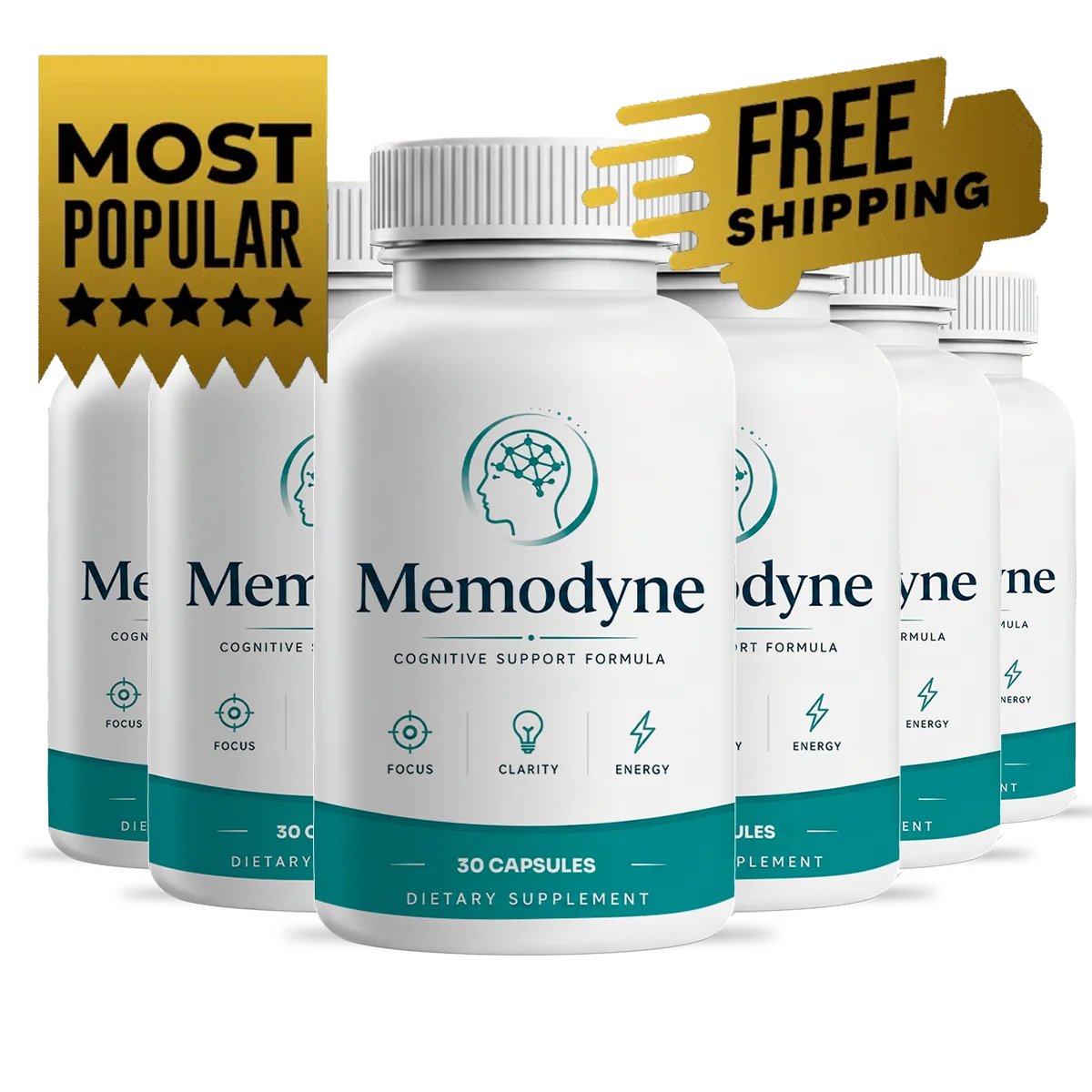
Memodyne pairs phosphatidylserine with Bacopa, Lion’s Mane, Ginkgo and a supporting botanical blend in one easy daily capsule — backed by a 60-day guarantee.
See Memodyne PackagesFrequently asked questions
What is the recommended phosphatidylserine dosage?
Most research uses about 300 mg per day of phosphatidylserine, commonly split into three 100 mg doses with meals, with some people using around 100 mg per day for maintenance. Always follow the dose printed on your product and check the label for actual phosphatidylserine content, not a larger complex weight.
How does phosphatidylserine work in the brain?
Phosphatidylserine is a phospholipid that is a major building block of cell membranes and is especially concentrated in brain cells. It is studied for supporting membrane fluidity, healthy neurotransmitter activity and a balanced cortisol response to stress, which is why it is associated with memory and mental clarity.
Is sunflower or soy phosphatidylserine better?
Both are used in supplements. Sunflower-derived phosphatidylserine is popular because it is naturally soy-free and non-GMO, which suits people avoiding soy allergens. Soy-derived phosphatidylserine is also widely studied. The source is a personal preference; what matters most is the actual milligrams of phosphatidylserine per serving.
How long does phosphatidylserine take to work?
Phosphatidylserine is a build-up nutrient. In most studies, benefits for memory and everyday mental performance are measured after several weeks of daily use, commonly six to twelve weeks, so consistent daily use matters more than any single dose.
Can I take phosphatidylserine with other nootropics?
Yes, phosphatidylserine is frequently combined with botanicals such as Bacopa, Ginkgo and Lion’s Mane because it supports the brain through a structural, membrane-based mechanism that differs from theirs. If you take prescription medication, check with a healthcare professional before combining supplements.
References
- Office of Dietary Supplements, National Institutes of Health — fact sheets on phospholipids and dietary supplements (ods.od.nih.gov).
- National Center for Complementary and Integrative Health — supplement safety and quality overviews (nccih.nih.gov).
- Nutrition and Journal of the International Society of Sports Nutrition — studies of phosphatidylserine, cortisol and cognition.
- Clinical Interventions in Aging — reviews of phosphatidylserine and memory in older adults.
† These statements have not been evaluated by the FDA. This product is not intended to diagnose, treat, cure or prevent any disease. This article is for general information only and is not medical advice.