Panax Ginseng Benefits for Mental Energy and Focus: How This Adaptogen Works
| What it is | Panax ginseng (Asian/Korean ginseng) is a classic adaptogen root traditionally used to support energy, stamina and mental performance. |
| How it works | Its ginsenosides are studied for supporting a balanced stress response, healthy circulation and steady mental energy. |
| Studied dosage | 200–400 mg/day of an extract standardized to a stated ginsenoside percentage (often ~3–7%), taken earlier in the day. |
| Timeline | Some people notice steadier energy within a couple of weeks; cognitive benefits are studied over 4–12 weeks. |

When people talk about herbs for stamina and staying sharp under pressure, one name has been at the top of the list for two thousand years: ginseng. This guide focuses on the true article — Panax ginseng benefits for mental energy and focus — and explains, in plain language, what the root is, how its active compounds are thought to work, the dose that shows up in research, how long it takes, and what to check on a label so you actually get real ginseng and not an expensive filler.
What is Panax ginseng?
Panax ginseng is the botanical name for Asian ginseng, also called Korean ginseng. The genus name says a lot: Panax comes from the same Greek root as “panacea,” meaning all-healing — a nod to the enormous reputation this slow-growing root earned across East Asia. It has been a cornerstone of traditional Chinese and Korean medicine for millennia, prized as a qi tonic for vitality, stamina and clear thinking.
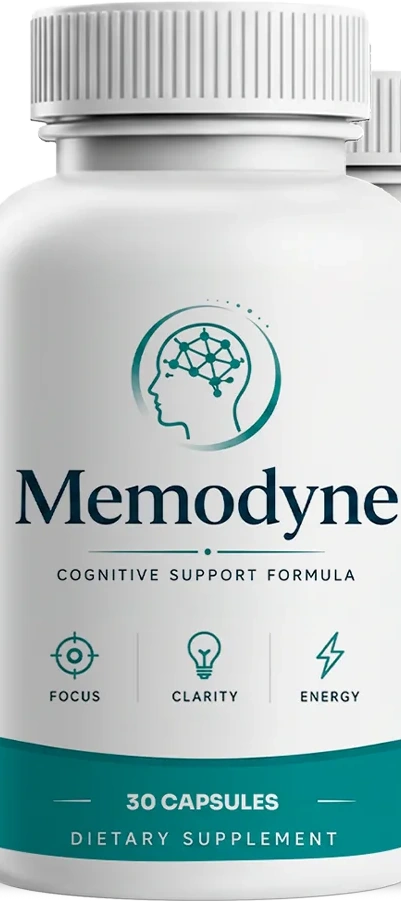
One quick but important clarification: not everything sold as “ginseng” is the same plant. American ginseng (Panax quinquefolius) is a related true ginseng with a slightly different, more cooling profile, while “Siberian ginseng” is not a true ginseng at all — it is Eleutherococcus senticosus, a different adaptogen with different active compounds. When research talks about ginsenosides and mental performance, it is usually talking about Panax ginseng, which is why it earns its place in modern formulas such as Memodyne’s botanical blend.
How does Panax ginseng work?
Ginseng’s story centres on a family of compounds and a concept, so let us take them in turn.
1. Ginsenosides, the signature actives
The root is rich in ginsenosides (also called panaxosides), a large group of steroid-like saponins that researchers consider ginseng’s main active constituents. There are dozens of them, and — intriguingly — they do not all pull in the same direction. Some ginsenosides, such as those in the Rg group, are associated with more stimulating, energising effects, while others in the Rb group are linked to calmer, more settling effects. The balance of these compounds is part of why ginseng can feel both energising and grounding at once.
2. The adaptogen concept
Panax ginseng is a classic adaptogen — a term for botanicals studied for helping the body maintain balance under stress. Rather than pushing one system hard in a single direction, adaptogens are described as supporting a steadier, more resilient response to physical and mental load. In practice, that is why ginseng is associated with sustained mental energy instead of the spike-and-crash pattern of a pure stimulant.
3. Circulation and antioxidant support
Ginsenosides have also been studied for supporting healthy circulation and for antioxidant activity — both relevant to a brain that runs on a steady oxygen supply and generates oxidative by-products all day long. This vascular angle overlaps neatly with what makes Ginkgo biloba a popular companion ingredient.

Put those threads together and you get a botanical aimed at stamina and steadiness — useful when the demand on your attention is long rather than brief. That makes ginseng a natural partner for the slow, structural memory herbs rather than a competitor to them.
Panax ginseng benefits people look for
Let us be honest about benefits: ginseng is a supplement, not a medicine, and it is not intended to diagnose, treat, cure or prevent any condition. With that framing, here is what draws people to it:
- Mental energy and stamina. The most classic use — supporting steady drive through a long, demanding day.
- Focus and working memory. Some research examines attention and mental performance during effortful tasks.
- Calm resilience to stress. As an adaptogen, ginseng is traditionally used to support a balanced response to daily pressure.
- Everyday vitality. A general sense of being “switched on” without stimulant jitters.
Panax ginseng dosage: what the research actually uses
As with most botanicals, a “studied dose” refers to a standardized extract, not raw root chips.
Standardized extract
Human research commonly uses 200 to 400 mg per day of a Panax ginseng extract standardized to a stated ginsenoside content — frequently in the range of 3 to 7 percent ginsenosides. Some studies split the dose; many use it once in the morning. The key is that the label tells you the ginsenoside percentage, because that is what actually varies between products.
Root vs. leaf, red vs. white
The root is the traditional and best-studied part; cheaper products sometimes lean on leaf or stem material. You will also see red and white ginseng: white is simply dried root, while red ginseng is steamed and then dried, a process that shifts its ginsenoside profile. Neither is universally “better,” but knowing which you are buying helps you compare like with like.
Timing and cycling
Because ginseng supports energy, most people take it earlier in the day to avoid it interfering with sleep. Many traditions and practitioners also suggest cycling it — for example, using it for several weeks and then taking a short break — rather than taking it indefinitely without pause.
See Panax Ginseng in the Memodyne Blend
How long does Panax ginseng take to work?
Ginseng is a little different from the slow-building memory herbs: some people report steadier energy and a subtle lift in drive within a couple of weeks of daily use. Its studied cognitive benefits, however, are usually measured over four to twelve weeks, so the same rule applies — consistency beats intensity. Treat it as a daily morning habit and give it a fair, multi-week trial before you judge it.
What to look for on a Panax ginseng label
Two ginseng products can look identical and deliver very different amounts of active compound. Scan for these details:
- The true species. Look for “Panax ginseng” specifically — not just “ginseng,” and not Eleutherococcus (Siberian ginseng), which is a different plant.
- A stated ginsenoside percentage. Wording like “standardized to 5% ginsenosides” is your potency guarantee.
- Root, not leaf or stem. The root is the traditional, studied part of the plant.
- The actual milligrams. The label should state the milligrams of extract per serving, not hide ginseng inside a vague proprietary blend.
- Clean manufacturing. Made in a GMP-compliant, FDA-registered facility, ideally third-party tested.
If reading a Supplement Facts panel still feels like decoding a foreign language, our full walk-through — how to read a nootropic supplement label — breaks down every line, including standardization percentages and the proprietary-blend trap.
How Panax ginseng fits with other nootropic ingredients
Ginseng rarely travels alone, and that is deliberate. It supplies energy and stress resilience, but it is not a memory-specific herb on its own. Pairing it with complementary actives covers more ground:
- Bacopa monnieri works slowly on memory retention — a different job from ginseng’s energy support.
- Rhodiola rosea is a sister adaptogen studied specifically for mental fatigue.
- Ginkgo biloba adds circulation and antioxidant support that complements ginseng’s vascular angle.
For the bigger picture of how these botanicals fit together, see our overview of nootropic herbs for memory and focus after 40. And of course, an all-in-one daily capsule like Memodyne removes the hassle of buying, measuring and remembering several separate jars.
Ginseng, done for you — daily
Memodyne pairs Panax ginseng with Bacopa, Lion’s Mane, Ginkgo, Rhodiola and a supporting botanical blend in one easy daily capsule — backed by a 60-day guarantee.
See Memodyne PackagesFrequently asked questions
What is the recommended Panax ginseng dosage?
Most research uses about 200 to 400 mg per day of a Panax ginseng extract standardized to a stated percentage of ginsenosides, often around 3 to 7 percent. Traditional root preparations use larger amounts because they are less concentrated. Take it earlier in the day and follow the dose on your product, checking with a clinician if you take medication.
What are ginsenosides?
Ginsenosides, sometimes called panaxosides, are the saponin compounds researchers consider the main actives in Panax ginseng. Different ginsenosides are studied for different effects — some are more energising and some more calming — which is why the total ginsenoside percentage is the fairest way to compare products.
What is the difference between Panax ginseng and Siberian ginseng?
Panax ginseng (Asian or Korean ginseng) is a true ginseng that contains ginsenosides. Siberian ginseng is a different plant, Eleutherococcus senticosus, that contains eleutherosides rather than ginsenosides. They are both adaptogens but they are not the same herb, so the label species matters.
Does Panax ginseng give you energy like caffeine?
Not in the same way. Panax ginseng is an adaptogen studied for supporting steady mental energy and a balanced stress response rather than delivering a sharp caffeine-style spike and crash. Many people describe it as calm, sustained alertness, which is why it is often taken in the morning.
Can I take Panax ginseng with other nootropic herbs?
Yes, Panax ginseng is frequently combined with botanicals such as Bacopa, Ginkgo and Rhodiola because each supports the brain through a different mechanism. If you take prescription medication, check with a healthcare professional before combining supplements.
References
- National Center for Complementary and Integrative Health — Asian ginseng overview (nccih.nih.gov).
- Office of Dietary Supplements, National Institutes of Health — botanical fact sheets and standardization (ods.od.nih.gov).
- Journal of Ginseng Research — reviews of ginsenosides, adaptogenic activity and cognitive performance.
- Cochrane Database of Systematic Reviews — assessments of Panax ginseng for cognition.
† These statements have not been evaluated by the FDA. This product is not intended to diagnose, treat, cure or prevent any disease. This article is for general information only and is not medical advice.