Ginkgo Biloba Benefits for Memory and Blood Flow: How This Nootropic Works
| What it is | Ginkgo biloba is an ancient tree whose leaf extract is one of the most-studied botanicals for memory and circulation. |
| How it works | Its flavonoids and terpene lactones are studied for supporting healthy blood flow to the brain and for antioxidant activity. |
| Studied dosage | 120–240 mg/day of a leaf extract standardized to 24% flavone glycosides / 6% terpene lactones. |
| Timeline | Benefits are typically measured after 4–12 weeks of daily use, not overnight. |
Few plants have a longer resume than Ginkgo. If you have looked into natural ways to support your mind, you have almost certainly run into Ginkgo biloba benefits for memory and blood flow — it is one of the most widely sold and most heavily researched botanicals in the entire nootropic category. This guide explains, in plain language, what Ginkgo actually is, how it is thought to work on the brain and its blood supply, the dose that shows up in real research, how long it takes, and — the part that saves you money — exactly what to look for on a label so you get the active compounds you are paying for.
What is Ginkgo biloba?
Ginkgo biloba is often called a “living fossil,” and the nickname is earned: it is the sole surviving species of a tree family that stretches back more than 200 million years, essentially unchanged since the age of the dinosaurs. Individual trees can live for well over a thousand years. That extraordinary resilience is part of the romance of the herb, but the science is about one specific thing — the fan-shaped leaves and the concentrated extract made from them.
Traditional Chinese medicine has used Ginkgo preparations for centuries, and the leaf extract became one of the best-selling herbal products in Europe, where it is often standardized to a very specific chemical fingerprint. That standardization is why Ginkgo behaves more like a defined ingredient than a vague “tonic,” and it is why the herb has earned a permanent place in modern memory formulas, including Memodyne’s botanical blend.
How does Ginkgo biloba work?
Ginkgo’s effects come down to two families of active compounds that work together, so it helps to meet them both.
1. Flavonoids (flavone glycosides)
Ginkgo leaves are rich in flavonoids — plant antioxidants such as quercetin, kaempferol and isorhamnetin. On a quality label these appear as flavone glycosides, standardized to about 24%. Their headline job is antioxidant support: helping to neutralise some of the everyday oxidative by-products that a busy, oxygen-hungry brain naturally produces.
2. Terpene lactones (ginkgolides and bilobalide)
The second family is unique to Ginkgo. The terpene lactones — ginkgolides A, B and C, plus bilobalide — are standardized to about 6%. Ginkgolides are the compounds most associated with Ginkgo’s effect on platelet-activating factor and healthy blood-vessel tone, which is the mechanistic heart of the herb’s circulation story.
3. Healthy blood flow to the brain
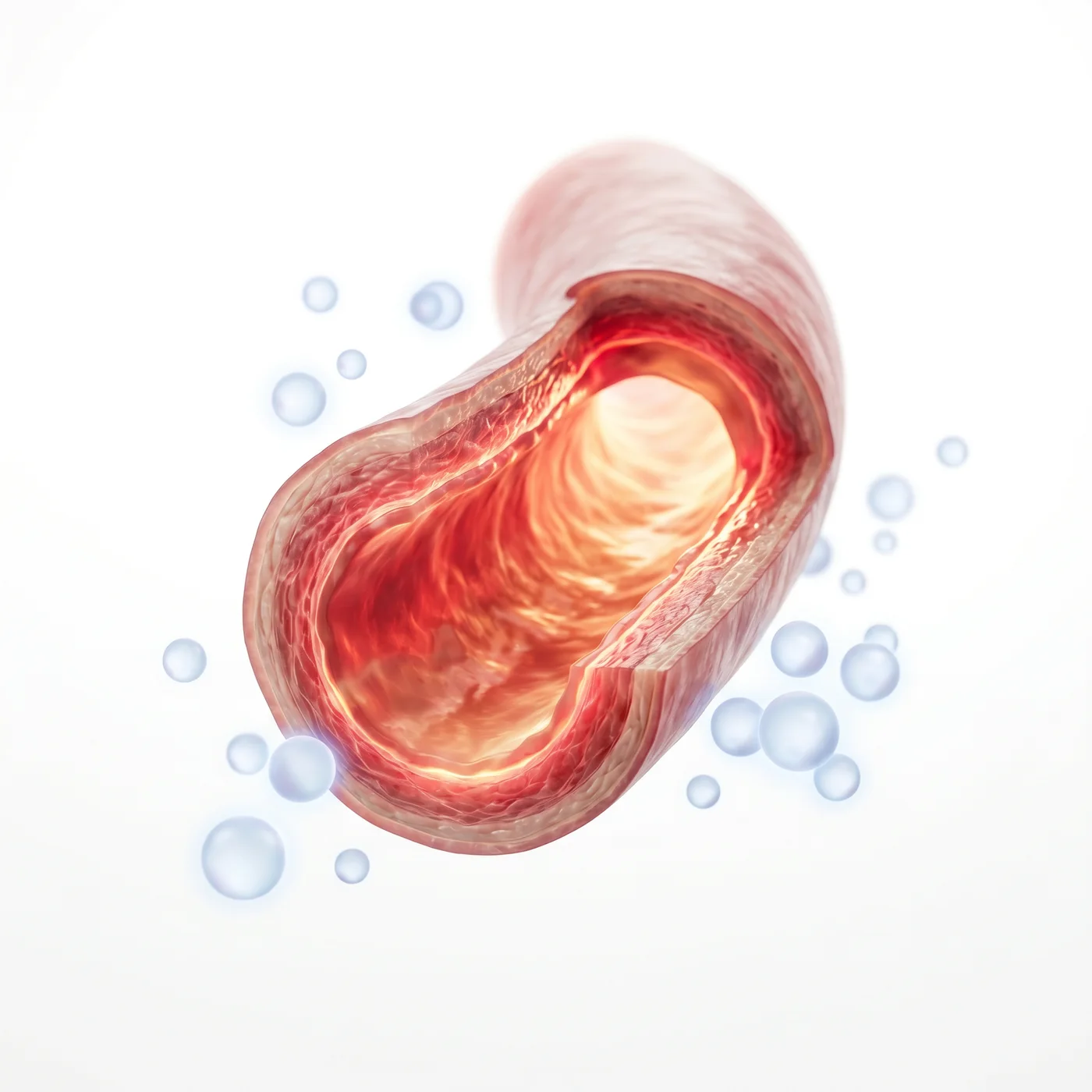
This is the reason Ginkgo and “memory” are so tightly linked in the public mind. The brain has no fuel reserves of its own; it depends on a constant delivery of oxygen and glucose through a dense network of tiny blood vessels. Ginkgo has been studied for its role in supporting healthy microcirculation — blood flow within those small vessels — and healthy endothelial function. When the plumbing that feeds neurons is working smoothly, the thinking that depends on it has the best chance to work smoothly too.
Put those threads together and you get a botanical that works on the supply lines and defences of the brain rather than acting like a stimulant. That is a useful contrast with something like L-theanine, which changes the moment-to-moment quality of attention. Ginkgo is a slower, more structural kind of support.
Ginkgo biloba benefits people look for
Let us describe benefits honestly: Ginkgo is a supplement, not a medicine, and it is not intended to diagnose, treat, cure or prevent any condition. With that framing, here is what draws people to it and what the research tradition emphasises:
- Everyday memory and recall. The most-studied cognitive angle, especially in mature adults who want steady day-to-day sharpness.
- Mental clarity and speed. Some research looks at attention and processing speed during demanding mental tasks.
- Healthy circulation. Ginkgo’s best-known traditional use is supporting blood flow, including to the extremities and the brain.
- Antioxidant defence. The flavonoid fraction is studied for helping the brain manage ordinary oxidative stress.
Ginkgo biloba dosage: what the research actually uses
Here is where precision matters, because a “studied dose” almost always refers to a standardized leaf extract, not crushed raw leaf.
Standardized extract
The common range across human research is 120 to 240 mg per day of a standardized Ginkgo leaf extract, frequently divided into two or three smaller doses across the day. Many studies land at 120 mg; others use 240 mg for a more robust effect. The reference standard behind most of this research is an extract known as EGb 761, standardized to the 24/6 profile described above.
Raw leaf vs. extract
Whole dried Ginkgo leaf is far less concentrated and much harder to dose reliably, which is exactly why the standardized extract exists. It also matters for safety: raw leaf can contain higher levels of ginkgolic acids, compounds that quality extracts deliberately reduce to trace amounts (typically under 5 parts per million). This is one of those cases where the processed extract is genuinely the better, cleaner choice.
Take it consistently
Ginkgo is best taken with food and, above all, every day. Because its benefits accrue over weeks, sporadic use is the most common reason people conclude it “did nothing.”
See Ginkgo in the Memodyne Blend
How long does Ginkgo take to work?
Patience, again, is the whole game. Because Ginkgo appears to work by supporting circulation and antioxidant defence rather than by delivering a jolt, its effects build gradually. In most controlled research, benefits for memory and mental sharpness are measured after four to twelve weeks of uninterrupted daily use. If you abandon it after a few days because you did not “feel” anything, you will never give it a fair trial. Treat Ginkgo like a daily habit and give it the same time the research does.
What to look for on a Ginkgo label
Two Ginkgo products can look identical and deliver wildly different amounts of active compound. Scan for these details:
- The 24/6 standardization. Look for wording like “standardized to 24% flavone glycosides and 6% terpene lactones.” No percentages usually means no guarantee of potency.
- Leaf extract, not raw leaf. A concentrated, standardized extract is the studied form; plain powdered leaf is not the same thing.
- Low ginkgolic acids. Better products state that ginkgolic acids are reduced to trace levels (often <5 ppm).
- The actual milligrams. The label should tell you the milligrams of extract per serving, not bury Ginkgo inside a vague proprietary blend.
- Clean manufacturing. Made in a GMP-compliant, FDA-registered facility, ideally with third-party testing.
If a Supplement Facts panel still feels like a foreign language, our full walk-through — how to read a nootropic supplement label — decodes every line, including standardization percentages and the proprietary-blend trap.
How Ginkgo fits with other nootropic ingredients
Ginkgo rarely travels alone, and that is deliberate. It supports the vascular and antioxidant side of brain health, but it is not a stimulant and it is not fast. Pairing it with complementary actives covers more ground:
- Bacopa monnieri works on the memory “infrastructure” through a different route — dendrites and signalling chemistry.
- Panax ginseng adds adaptogenic energy and resilience that Ginkgo does not provide.
- Lion’s Mane is studied for nerve-growth signalling — another mechanism entirely.
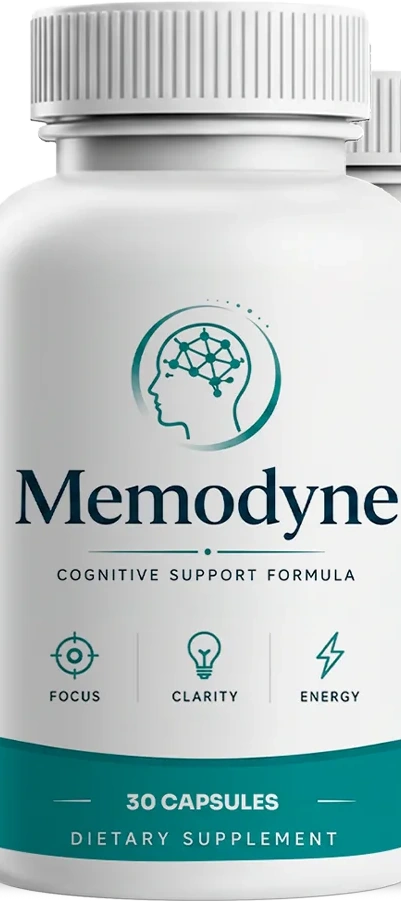
For the bigger picture of how these botanicals fit together, see our overview of nootropic herbs for memory and focus after 40. And of course, an all-in-one daily capsule like Memodyne removes the hassle of buying, measuring and remembering several separate jars.
Ginkgo, done for you — daily
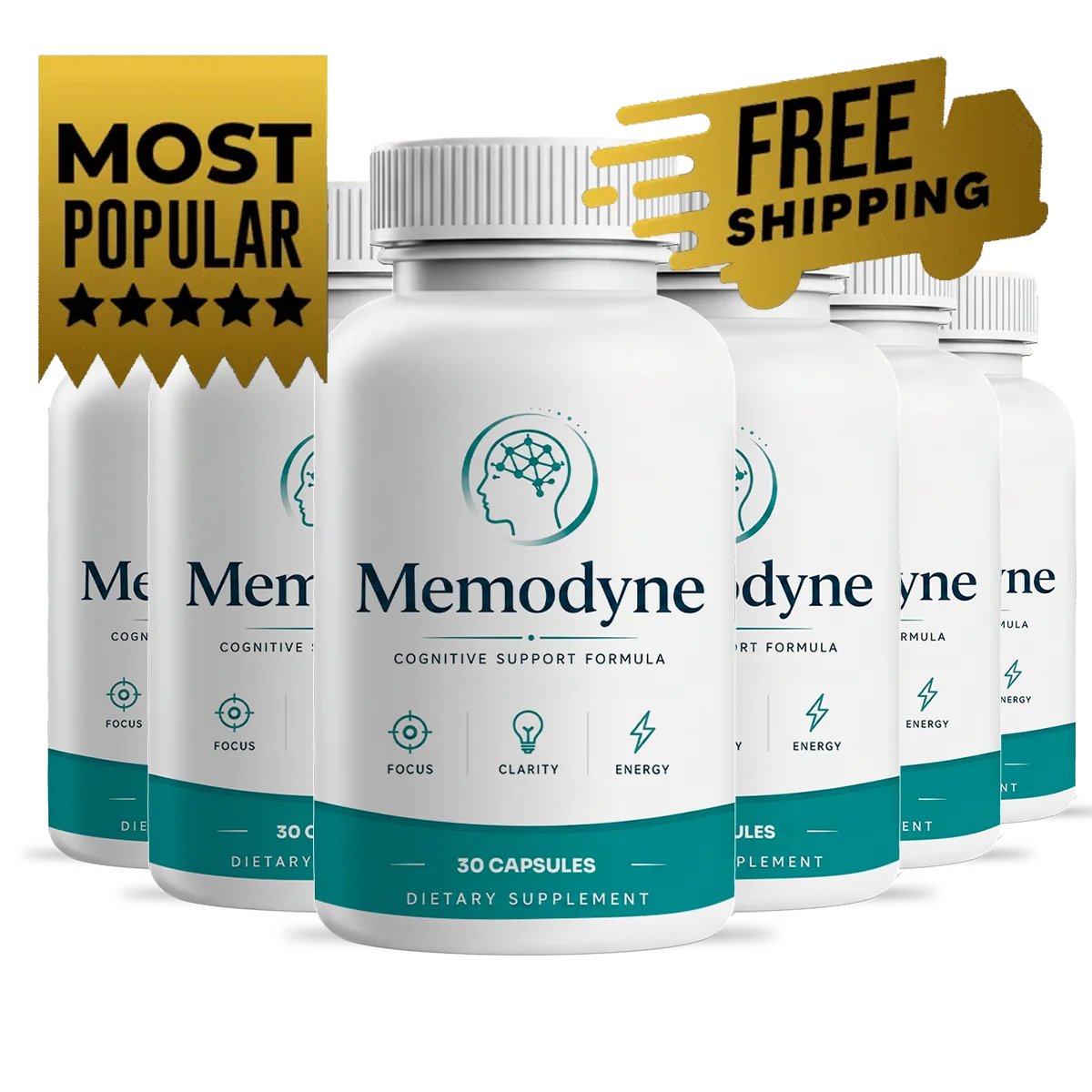
Memodyne pairs standardized Ginkgo biloba with Bacopa, Lion’s Mane, Panax ginseng and a supporting botanical blend in one easy daily capsule — backed by a 60-day guarantee.
See Memodyne PackagesFrequently asked questions
What is the recommended Ginkgo biloba dosage?
Most human research uses 120 to 240 mg per day of a standardized Ginkgo leaf extract, usually divided into two or three doses with food. Higher amounts are studied for specific purposes, but 120–240 mg of a properly standardized extract is the reliable reference range. Always follow the dose printed on your product and talk to a clinician if you take medication.
How long does Ginkgo biloba take to work?
Ginkgo is a build-up botanical, not an instant one. In most studies, benefits for memory and mental sharpness are measured after four to twelve weeks of consistent daily use rather than after a single capsule, so steady daily use matters far more than any one dose.
What does 24/6 mean on a Ginkgo label?
The 24/6 ratio means the extract is standardized to about 24 percent flavone glycosides and 6 percent terpene lactones — the two compound families researchers consider most important. This is the profile of the well-studied EGb 761 extract, and seeing it on a label is a strong sign of a quality Ginkgo product.
Does Ginkgo biloba really support blood flow?
Ginkgo has been studied for its role in supporting healthy circulation and microcirculation, including blood flow within the small vessels that feed brain tissue. This vascular angle is one reason the herb is so often associated with memory and mental clarity, since the brain depends heavily on a steady supply of oxygen and nutrients.
Can I take Ginkgo with other nootropic herbs?
Yes, Ginkgo is frequently combined with botanicals such as Bacopa, Lion’s Mane and Panax ginseng because each supports the brain through a different mechanism. If you take prescription medication, especially blood thinners, check with a healthcare professional before combining supplements.
References
- National Center for Complementary and Integrative Health — Ginkgo herb overview (nccih.nih.gov).
- Office of Dietary Supplements, National Institutes of Health — botanical fact sheets and standardization (ods.od.nih.gov).
- Cochrane Database of Systematic Reviews — reviews of standardized Ginkgo biloba extract (EGb 761) and cognition.
- Phytotherapy Research and Planta Medica — papers on ginkgolides, flavone glycosides, microcirculation and antioxidant activity.
† These statements have not been evaluated by the FDA. This product is not intended to diagnose, treat, cure or prevent any disease. This article is for general information only and is not medical advice.