Huperzine A Benefits and How It Works for Memory
| What it is | Huperzine A is a purified alkaloid from the club moss Huperzia serrata, used in traditional Chinese medicine. |
| How it works | It is studied as a reversible acetylcholinesterase inhibitor — slowing the breakdown of acetylcholine, the memory neurotransmitter. |
| Studied dosage | Measured in micrograms: commonly 50–200 mcg/day, and frequently cycled rather than taken continuously. |
| Timeline | Relatively fast-acting compared with slow-build herbs, but best judged over several weeks of consistent use. |

Some nootropic ingredients are gentle, slow and forgiving. Huperzine A is the opposite: it is one of the most potent single compounds in the whole category, active at doses so small they are measured in micrograms. That potency is exactly why it deserves a careful, plain-language explanation. This guide covers the real Huperzine A benefits and, more importantly, how it works for memory — what the compound is, the elegant mechanism behind it, the tiny studied dose, why people cycle it, and what to check on a label.
What is Huperzine A?
Huperzine A is a naturally occurring alkaloid first isolated from Huperzia serrata, a Chinese club moss traditionally known as Qian Ceng Ta. The moss has a long history of use in traditional Chinese medicine, and modern chemists identified Huperzine A as the constituent responsible for much of its cognitive interest. Because the pure compound is so active, it is supplied as a standardized, purified extract — the only practical way to deliver an accurate microgram dose.
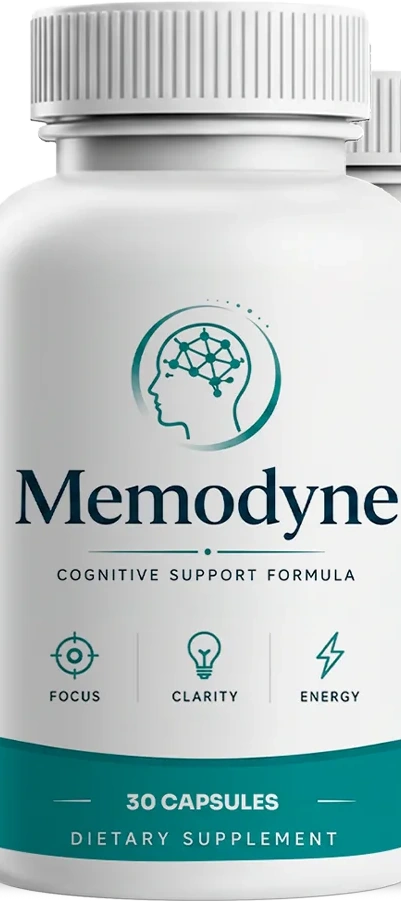
That combination — a defined molecule with a clear mechanism — is why Huperzine A behaves less like a fuzzy herbal tonic and more like a precision ingredient. It is a common finishing touch in memory formulas, including Memodyne’s botanical blend, where a very small amount does a specific job.
How does Huperzine A work?
Here is where Huperzine A gets genuinely interesting, because its mechanism is beautifully specific.
1. Acetylcholine, the memory messenger
Acetylcholine is the neurotransmitter most closely associated with learning, attention and memory. When neurons in the memory circuits fire, they release acetylcholine into the tiny gap between cells — the synapse — where it carries the signal across. Plenty of acetylcholine, moving cleanly, is a hallmark of a well-functioning memory system.
2. The enzyme that clears it away
After acetylcholine has done its job, an enzyme called acetylcholinesterase breaks it down so the signal can reset. This is normal and necessary — but it also means acetylcholine is constantly being removed almost as fast as it appears.
3. Huperzine A slows the clean-up
Huperzine A is studied as a reversible acetylcholinesterase inhibitor. In plain terms, it gently and temporarily slows down the enzyme that clears acetylcholine away. The result is thought to be more of the memory neurotransmitter staying available in the synapse for a little longer. “Reversible” is a key word here: the compound’s effect is not permanent, which is part of what distinguishes it as a supplement-grade ingredient.

Researchers have also explored other threads — including antioxidant and neuroprotective activity — but the cholinergic mechanism is the headline. This makes Huperzine A a natural complement to ingredients that supply the raw materials for acetylcholine, such as choline sources, and to slow-building herbs like Bacopa monnieri that work on memory from a completely different angle.
Huperzine A benefits people look for
Let us be honest about benefits: Huperzine A is a supplement, not a medicine, and it is not intended to diagnose, treat, cure or prevent any condition. With that framing, here is what draws people to it:
- Memory and recall. The cholinergic mechanism is directly tied to the neurotransmitter of learning and memory.
- Focus and mental clarity. Acetylcholine also plays a role in sustained attention.
- A noticeable, relatively quick effect. Unlike the slowest botanicals, many users describe Huperzine A as something they can perceive within a shorter window.
Huperzine A dosage: why micrograms matter
This is the single most important section, because Huperzine A is potent enough that the unit of measurement itself is a safety feature.
Micrograms, not milligrams
Where herbs like Ginkgo are dosed in hundreds of milligrams, Huperzine A is dosed in micrograms (mcg) — a thousand times smaller. Common amounts in research and supplements fall between 50 and 200 mcg per day, frequently around 100–200 mcg. That means “more” is emphatically not “better” with this ingredient; the studied range is small on purpose.
Standardization
On a label you will usually see it written as a Huperzia serrata extract standardized to a percentage of Huperzine A (for example, standardized to 1% Huperzine A), followed by the actual microgram amount of Huperzine A delivered. That microgram figure is the number that matters.
Why people cycle it
Because Huperzine A is potent and relatively long-acting, many people cycle it rather than taking it every single day indefinitely — for instance, several days on and a couple of days off, or a few weeks on followed by a break. Cycling is a commonly used approach to keep the effect feeling fresh. Follow the pattern recommended on your product and by a healthcare professional.
See Huperzine A in the Memodyne Blend
How long does Huperzine A take to work?
Compared with the slowest botanicals, Huperzine A is on the faster end — its cholinergic mechanism does not require weeks of tissue-level change to begin. That said, the honest advice is the same as for any nootropic: judge it over several weeks of consistent, correctly dosed use rather than from a single capsule, and pay attention to how a cycled schedule feels for you. Consistency and correct dosing beat chasing a bigger single dose every time.
What to look for on a Huperzine A label
Precision is the whole story with this ingredient, so scan for these details:
- The actual microgram amount. Look for the delivered Huperzine A in mcg — the single most important number.
- A stated standardization. Wording like “Huperzia serrata standardized to 1% Huperzine A” signals a controlled, measurable extract.
- Sensible dosing. A product parked far above the common 50–200 mcg range is a reason to be cautious, not impressed.
- Clean manufacturing. Made in a GMP-compliant, FDA-registered facility, ideally third-party tested.
If a Supplement Facts panel still feels like decoding a foreign language, our full walk-through — how to read a nootropic supplement label — breaks down every line, including standardization percentages and why microgram versus milligram labelling matters.
How Huperzine A fits with other nootropic ingredients
Huperzine A is a specialist, not a generalist, which makes it an excellent team ingredient:
- Bacopa monnieri builds memory infrastructure slowly — a natural counterweight to Huperzine A’s faster, signalling-focused action.
- Ginkgo biloba supports the circulation that keeps the whole system supplied.
- Phosphatidylserine supports the brain-cell membranes where signalling actually happens.
For the bigger picture of how these ingredients fit together, see our overview of nootropic herbs for memory and focus after 40. And of course, an all-in-one daily capsule like Memodyne does the measuring for you — particularly reassuring with a microgram-dosed ingredient.
Huperzine A, measured for you — daily
Memodyne pairs a precisely measured amount of Huperzine A with Bacopa, Lion’s Mane, Ginkgo, Panax ginseng and a supporting botanical blend in one easy daily capsule — backed by a 60-day guarantee.
See Memodyne Packages
Frequently asked questions
What is the recommended Huperzine A dosage?
Huperzine A is dosed in micrograms, not milligrams. Common amounts in research and supplements fall between 50 and 200 mcg per day, often 100 to 200 mcg. Because it is very potent, precise dosing matters, and many people cycle it rather than take it continuously. Always follow the dose on your product and talk to a clinician if you take medication.
How does Huperzine A work?
Huperzine A is studied as a reversible acetylcholinesterase inhibitor. Acetylcholinesterase is the enzyme that breaks down acetylcholine, the neurotransmitter most associated with learning and memory. By slowing that breakdown, Huperzine A is thought to help keep more acetylcholine available in the synapse.
Why is Huperzine A cycled?
Because Huperzine A is potent and long-acting, many people use it in cycles — for example several days on and some days off, or a few weeks on and then a break — rather than every day indefinitely. Cycling is a common approach used to keep the effect fresh. Follow the guidance on your product and a healthcare professional.
Where does Huperzine A come from?
Huperzine A is an alkaloid originally isolated from a Chinese club moss called Huperzia serrata, which has a long history of traditional use. Today it is provided as a purified, standardized extract so the microgram dose can be measured accurately.
Can I take Huperzine A with other nootropics?
Huperzine A is often paired with slow-building herbs such as Bacopa and with choline sources, since it works through a different, cholinergic mechanism. Because it affects acetylcholinesterase, check with a healthcare professional before combining it with medications, especially cholinergic drugs.
References
- National Center for Complementary and Integrative Health — overviews of traditional botanicals and supplement safety (nccih.nih.gov).
- Office of Dietary Supplements, National Institutes of Health — dietary supplement fact sheets (ods.od.nih.gov).
- Cochrane Database of Systematic Reviews — assessments of Huperzine A and cognition.
- Acta Pharmacologica Sinica and Journal of Neural Transmission — papers on Huperzine A and acetylcholinesterase.
† These statements have not been evaluated by the FDA. This product is not intended to diagnose, treat, cure or prevent any disease. This article is for general information only and is not medical advice.