Magnesium L-Threonate Benefits for Memory: How This Brain-Penetrating Mineral Works
| What it is | Magnesium L-threonate is a magnesium form bound to threonic acid, developed to raise magnesium levels in the brain. |
| How it works | Magnesium is a gatekeeper at the NMDA receptor; the threonate form is studied for supporting synaptic density and plasticity. |
| Studied dosage | About 1,500–2,000 mg/day of magnesium L-threonate (~140–145 mg elemental magnesium), often split. |
| Timeline | A build-over-time mineral; consistency across weeks matters more than any single dose. |

Magnesium is one of the most common nutrient shortfalls in modern diets, and it is involved in hundreds of reactions across the body. But when it comes to memory specifically, not all magnesium is created equal. Magnesium L-threonate is a form engineered for one job most other magnesiums do poorly: getting into the brain. This guide explains the real magnesium L-threonate benefits for memory in plain language — what it is, how it works at the synapse, how it differs from magnesium citrate or glycinate, the dose that shows up in research, and what to look for on a label.
What is magnesium L-threonate?
Magnesium is an essential mineral, meaning your body needs it from food and cannot manufacture it. It acts as a cofactor in energy production, nerve signalling, muscle function and DNA repair, among hundreds of other roles. The problem for the brain is logistics: ordinary magnesium supplements raise magnesium in the blood reasonably well but struggle to lift magnesium levels inside the central nervous system, which is carefully protected by the blood-brain barrier.
Magnesium L-threonate was developed to solve exactly that problem. By binding magnesium to threonic acid (a metabolite of vitamin C), researchers created a form designed to deliver magnesium into brain tissue more effectively than conventional salts. That is the entire reason it exists as a distinct ingredient rather than just “more magnesium.”
How does magnesium L-threonate work for memory?
The mechanism is elegant and worth understanding, because it explains why this particular form is grouped with nootropics rather than with general-wellness minerals.
1. Magnesium is the gatekeeper of the NMDA receptor
Learning and memory depend heavily on a synaptic receptor called the NMDA receptor, which helps decide when a connection between neurons should be strengthened. Magnesium sits in the mouth of this receptor like a plug, keeping it quiet until the right signal arrives. Healthy magnesium levels help keep this system balanced — responsive when it should be, calm when it should be — which is central to the process scientists call synaptic plasticity.
2. It supports synaptic density
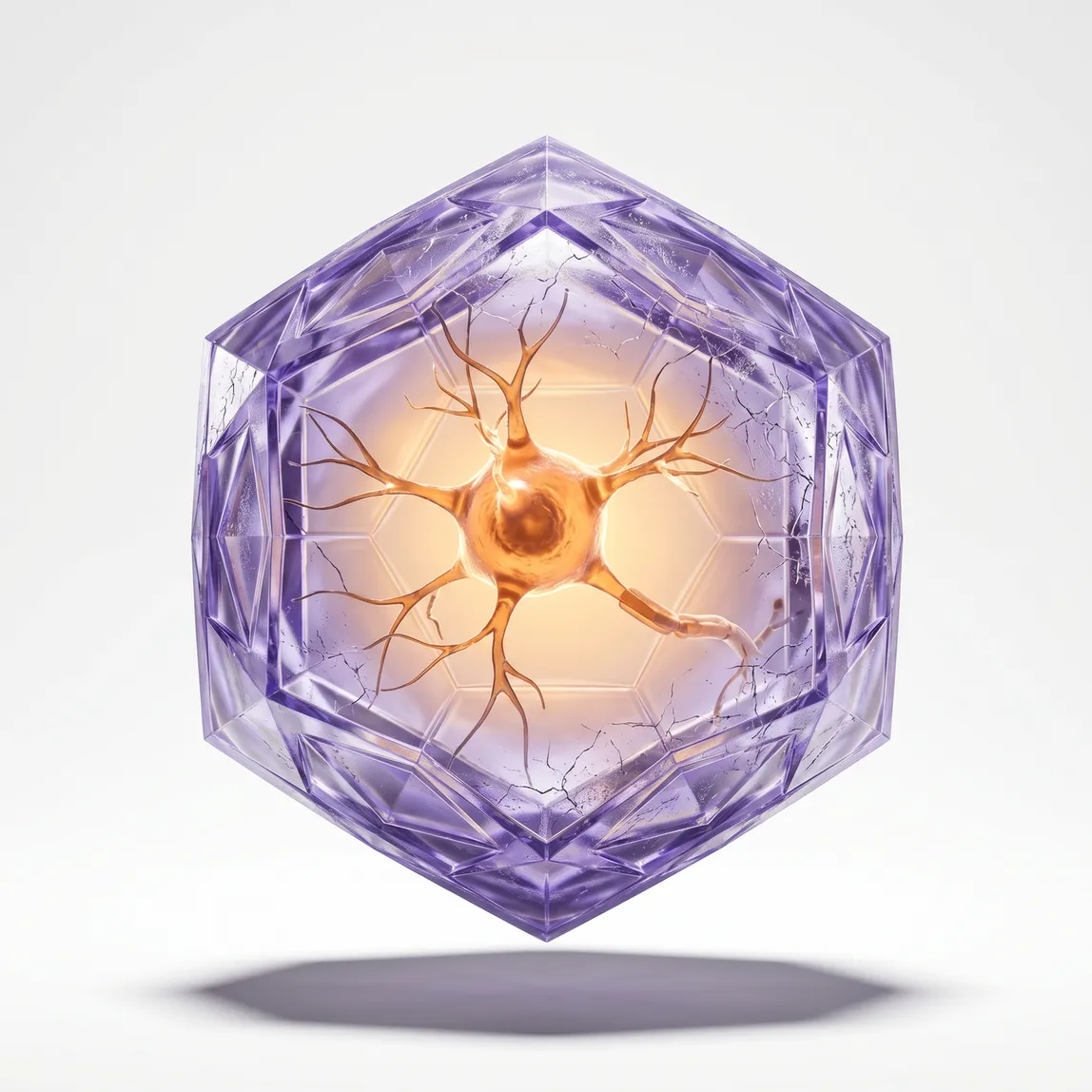
The standout finding that put magnesium L-threonate on the map is its studied role in supporting synaptic density — essentially, the number and quality of connections between neurons. More functional connections is a plausible substrate for better learning and recall, which is why this form is discussed specifically in the context of memory rather than muscle relaxation.
3. It supports a calm, balanced nervous system
Magnesium has a well-known calming quality, contributing to a balanced stress response and healthy sleep — and quality sleep is itself when much memory consolidation happens. This is one reason many people take part of their dose in the evening. In that sense, magnesium supports memory through two doors at once: directly at the synapse, and indirectly through rest and recovery.
Magnesium L-threonate benefits people look for
The honest framing first: this is a dietary supplement, not a medicine, and it is not intended to diagnose, treat, cure or prevent any condition. With that in mind, here is what draws people to it:
- Memory and learning support. Its signature research angle is synaptic density and plasticity.
- Calm and relaxation. Magnesium’s soothing quality is why an evening dose is popular.
- Sleep quality. Better rest supports the overnight consolidation of what you learned during the day.
- Filling a common gap. Many diets fall short on magnesium, so a well-absorbed form serves double duty.
Magnesium L-threonate dosage: what the research actually uses
Here precision matters, because the number on the bottle is not the amount of actual magnesium you absorb.
The studied amount
Research and quality products commonly use about 1,500–2,000 mg of magnesium L-threonate per day. Because the magnesium is bound to threonic acid, that compound weight delivers only roughly 140–145 mg of elemental magnesium — which is the number that actually counts. The dose is frequently split into two, with a portion taken in the evening.
Compound weight vs. elemental magnesium
This is the single most misunderstood point. “2,000 mg magnesium L-threonate” does not mean 2,000 mg of magnesium. Always read the Supplement Facts line that states elemental magnesium per serving. It is the honest apples-to-apples number for comparing any magnesium product.
Timing
Because magnesium is mildly calming, many people take at least part of the daily amount in the evening, which can also support relaxation before sleep. A common pattern is a smaller daytime dose and a larger evening dose — but follow the timing your product recommends.
See the Memodyne Cognitive Blend
Magnesium L-threonate vs. other forms of magnesium
Shoppers often ask whether they should just buy cheaper magnesium. The answer depends entirely on your goal:
- Magnesium L-threonate — the form developed and studied specifically for brain magnesium and cognition.
- Magnesium glycinate — gentle, well-absorbed, popular for relaxation and sleep, but not brain-targeted.
- Magnesium citrate — well-absorbed and good for general needs; higher amounts can loosen stools.
- Magnesium oxide — cheap and common, but poorly absorbed; mostly used for occasional digestive relief.
In short: for general magnesium needs, glycinate or citrate are fine and economical. For cognition specifically, threonate is the form the research points to.
What to look for on a magnesium L-threonate label
- Elemental magnesium per serving. Read this line, not just the compound weight.
- The named form. Look for “magnesium L-threonate” explicitly if cognition is your goal.
- Serving size honesty. Some products spread the full dose across three capsules — check how many you must take.
- Clean manufacturing. Made in a GMP-compliant, FDA-registered facility, with third-party testing where possible.
If Supplement Facts panels still feel like a foreign language, our full walk-through — how to read a nootropic supplement label — breaks down every line, including elemental-mineral math and serving sizes.

How magnesium L-threonate fits with other nootropic ingredients
Magnesium works through a mineral-based mechanism, so it complements botanicals and nutrients that act elsewhere:
- L-theanine pairs naturally with magnesium’s calming quality for relaxed focus.
- Bacopa monnieri supports memory over the long haul through a dendrite-focused mechanism.
- DHA omega-3 builds the membranes that host the very receptors magnesium regulates.
For the bigger picture of how these nutrients and botanicals fit together, see our overview of nootropic herbs for memory and focus after 40. And an all-in-one daily capsule like Memodyne removes the hassle of stacking several separate jars.

Cognitive support, done for you — daily
Memodyne combines cognition-supporting botanicals in one easy daily capsule so you can build a simpler routine — backed by a 60-day guarantee.
See Memodyne PackagesFrequently asked questions
What is the recommended magnesium L-threonate dosage?
Research and product labels commonly use about 1,500 to 2,000 mg of magnesium L-threonate per day, which supplies roughly 140 to 145 mg of elemental magnesium. It is often split into two doses, with part taken in the evening. Follow the amount on your product and check with your clinician if you have kidney issues or take medication.
How is magnesium L-threonate different from other magnesium?
Magnesium L-threonate is a form bound to threonic acid that was developed specifically to raise magnesium levels in the brain more effectively than common forms. Magnesium citrate and glycinate are excellent for general needs and relaxation, and oxide is cheap but poorly absorbed, but threonate is the form studied specifically for cognition and synaptic support.
How does magnesium L-threonate work for memory?
Magnesium is a gatekeeper at the NMDA receptor, a key player in learning and memory. By supporting healthy magnesium levels in brain tissue, magnesium L-threonate has been studied for its role in supporting synaptic density and plasticity, the brain’s ability to form and strengthen connections.
When should I take magnesium L-threonate?
Because magnesium has a calming quality, many people take at least part of their daily amount in the evening, which can also support relaxation before sleep. A common approach is a smaller daytime dose and a larger evening dose, but you should follow the timing on your product.
Can magnesium L-threonate be combined with other nootropics?
Yes. It is often combined with botanicals such as Bacopa and L-theanine and with omega-3s, because it supports cognition through a different, mineral-based mechanism. If you take prescription medication, speak with a healthcare professional before combining supplements.
References
- Office of Dietary Supplements, National Institutes of Health — magnesium fact sheet and elemental content of forms (ods.od.nih.gov).
- National Center for Complementary and Integrative Health — overviews of mineral supplements (nccih.nih.gov).
- Peer-reviewed research on magnesium L-threonate, brain magnesium and synaptic density (neuroscience journals).
- Reviews of magnesium’s role at the NMDA receptor and in synaptic plasticity (clinical literature).
† These statements have not been evaluated by the FDA. This product is not intended to diagnose, treat, cure or prevent any disease. This article is for general information only and is not medical advice.