Memodyne › Journal › Tolerability
TolerabilityWhat The Trials Recorded About Side Effects Of Arginine, Citrulline And Calcium Carbonate
Published trials have recorded what went wrong with four of the six names on the Memodyne artwork, and the findings are tied to dose: stomach upset with arginine at single doses above about 9 g, no side effects in eight men at citrulline doses up to 15 g, constipation in 13.4% against 9.1% on 1,200 mg a day of calcium carbonate, and flushing with nicotinic acid. The artwork prints no amount, so a reader cannot place one capsule on any of these scales.
What this piece is, and what it is not
Four of the six names on the Memodyne artwork have been given to people in trials that wrote down what went wrong: arginine, citrulline, calcium carbonate and niacin. This piece collects what those trials and reviews recorded, and sets each finding beside the amount of the ingredient that produced it.
Two boundaries keep it honest. First, this is adverse-event data by dose. Whether a particular person, with a particular medicine or condition, should hold off is a separate and more personal question, and it belongs with a pharmacist or prescriber. Second, an event recorded in a trial is not the same as an event caused by the ingredient. Trials record everything that happens; the useful signal is a difference between the treated group and the placebo group, and where a study had no placebo group that comparison is missing. Each entry below says which is which.
This is a dietary supplement, and nothing on this page is medical advice. Where forgetfulness has become the kind other people remark on, the useful next step is an appointment rather than an order; MedlinePlus sets out what is worth raising at one.
The label gives no scale
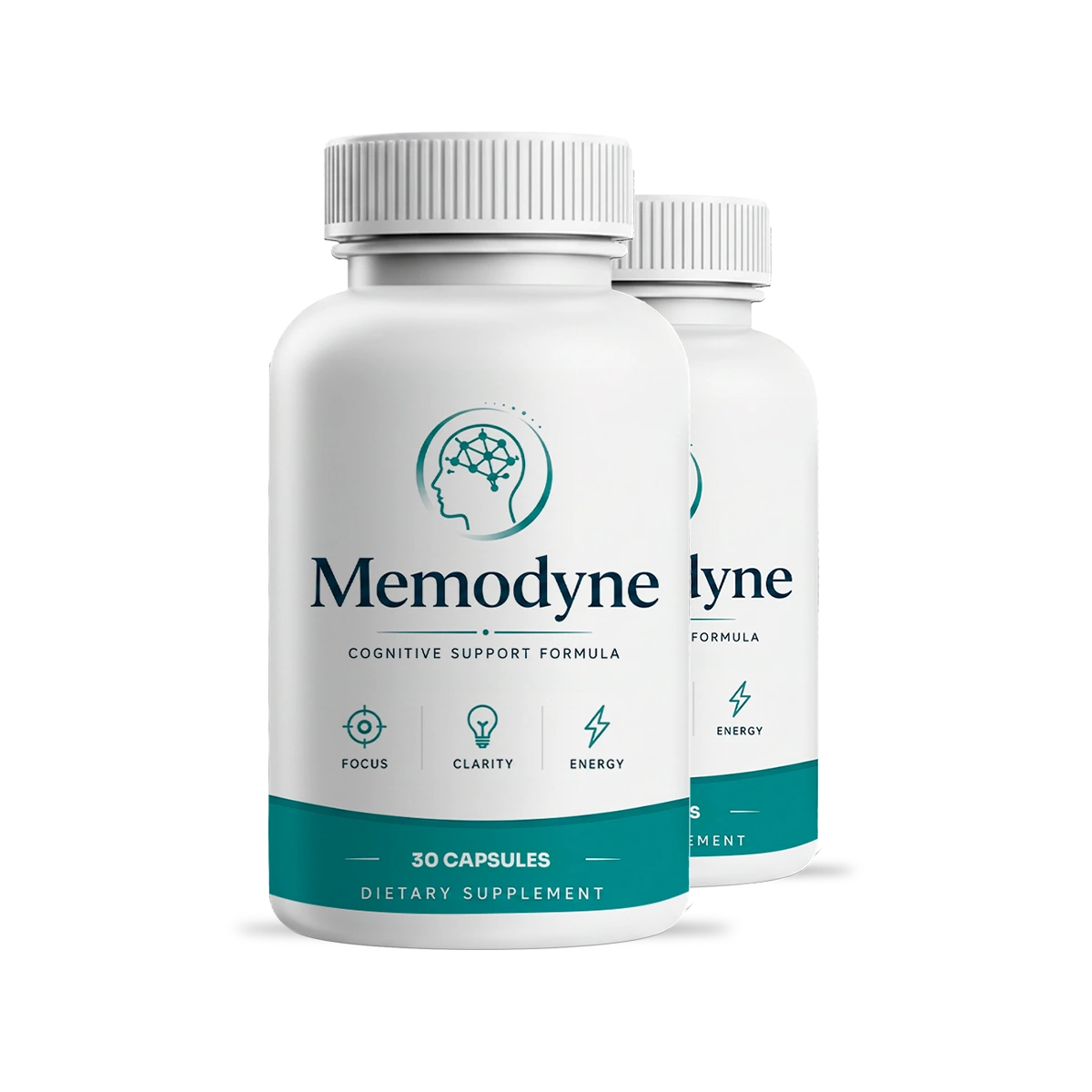
Every number below is a dose, and every dose is the thing this label does not print. The listing artwork names niacin, calcium as calcium carbonate, L-arginine, L-arginine AKG 2:1, L-citrulline HCl and L-citrulline malate, and carries no amount beside any of them. There is no Supplement Facts panel on this site.
That matters for reading a tolerability record in a specific way. A statement such as “stomach upset began above 9 g” is only reassuring or worrying if you know whether your capsule holds 90 milligrams or 900. A hard capsule holds well under a gram of powder in total, shared among all six names, as worked through in what a thirty-capsule bottle can physically hold. That tells you the total is small next to the gram doses below. It does not tell you the amount of any one ingredient, and it does not let a reader place this capsule on any of the scales that follow.
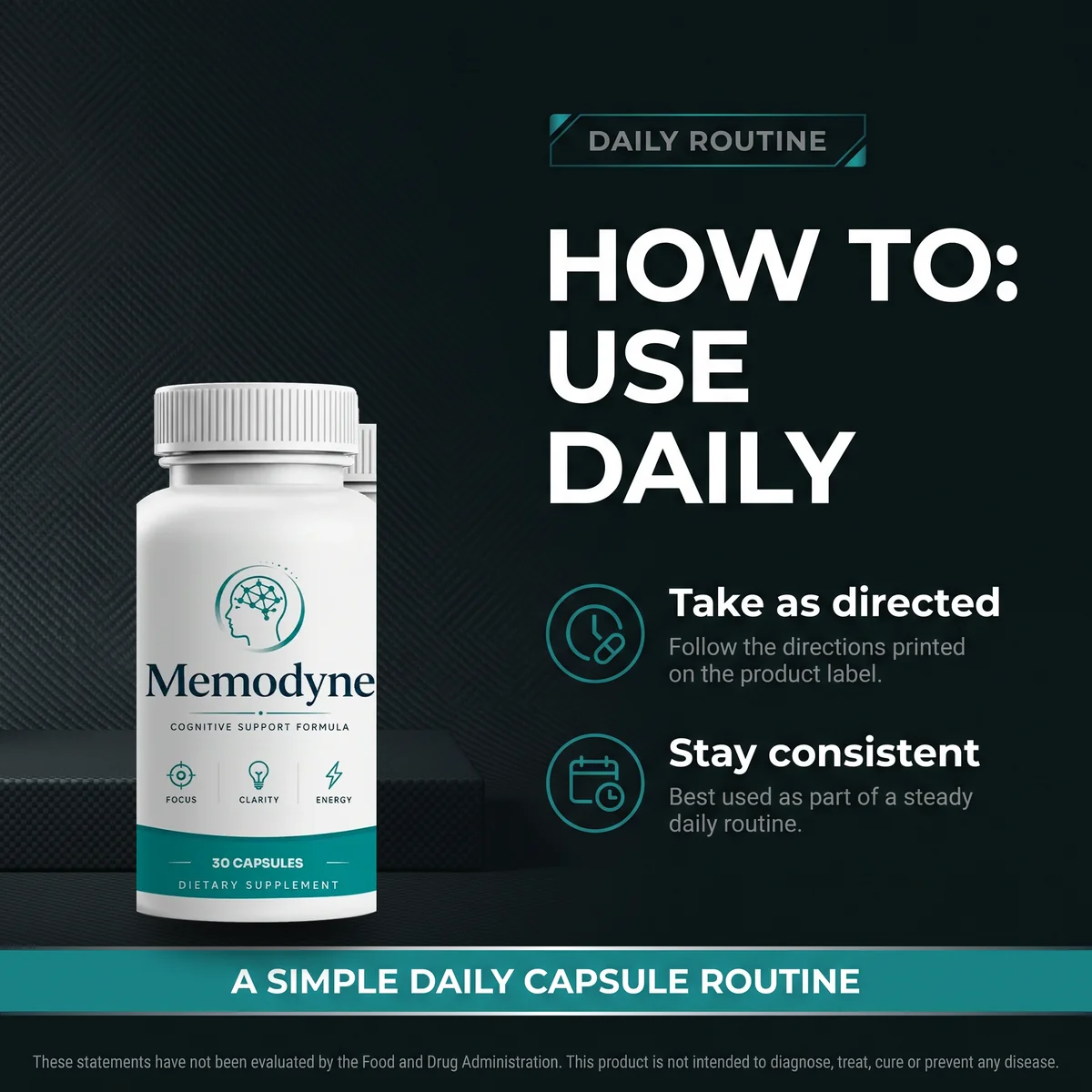
The directions are the one concrete instruction the label gives: one capsule daily with an 8 oz glass of water, 20 to 30 minutes before a meal, or as directed by a healthcare professional, for adults of 18 and over.
Arginine: a laxative threshold, and two trials that stopped being routine
The most useful single source on arginine tolerability is a review by Grimble in the Journal of Nutrition, which read through the clinical trials of arginine and its relatives and looked at how gastrointestinal effects were reported. The review found that the clinical data span daily arginine intakes from 3 g to more than 100 g, and that the standard of adverse-effect reporting varied. Within that spread:
- Single doses of 3 to 6 g rarely provoked side effects.
- Healthy athletes appeared more susceptible than diabetic patients to gastrointestinal symptoms at single doses above 9 g.
- Most side effects of arginine, and of N-acetylcysteine, which shares the same gut transporter, occurred at single doses above 9 g in adults, often as part of a daily regimen of roughly 30 g or more.
- Effects seemed to depend on how the dose was divided and disappeared when the same amount was taken in divided portions.
The proposed mechanism is the same nitric oxide that the ingredient is sold for. In the gut, nitric oxide acts as an absorption-promoting signal at low levels and as a secretion-promoting one at high levels, and large single doses of a poorly absorbed amino acid seem to provoke water and electrolyte secretion, which is to say diarrhoea. A separate review of the pharmacology by Böger concluded that doses of 3 to 8 g a day appear safe and not to cause acute pharmacological effects in humans.
A more recent and much smaller trial gives a feel for what a modest dose looks like in older adults. In a 2026 pilot in India, 38 people aged 60 or over with cognitive complaints were randomised to 6.4 g a day of arginine or placebo for 30 days. Three arginine participants withdrew because of adverse effects, one with thyroid dysfunction, one with nausea and diarrhoea and one with a bitter taste, and none withdrew on placebo, a difference the authors report as not statistically significant with numbers that small. Thirty-five people completed the study.
Two older trials belong in any honest account, with the caveat that both enrolled people with established heart or vascular disease. In VINTAGE MI, 153 patients after a first ST-elevation heart attack were randomised to a goal of 3 g of arginine three times a day or placebo for six months. Six participants in the arginine group (8.6%) died during the study against none on placebo, and the monitoring committee closed enrolment. The authors concluded that arginine may be associated with higher post-infarction mortality and should not be recommended after a heart attack. In the NO-PAIN trial, 133 people with claudication from peripheral arterial disease took 3 g a day for six months; the improvement in walking distance was smaller in the arginine group than in the placebo group (11.5% against 28.3%), and measures of nitric oxide availability did not improve.
Neither trial says anything direct about healthy adults, and both are small enough that a chance finding cannot be excluded. What they do establish is that tolerability data for arginine is not one number. It depends heavily on who is taking it.
Citrulline: the cleanest record, and the shortest
Citrulline has the tidiest dose-ranging result of the four. In the Citrudose study, eight fasting healthy men each underwent four separate oral loading tests at 2, 5, 10 and 15 g, in random order. None of them experienced side effects at any dose, and the authors concluded short-term citrulline was safe and well tolerated. The same paper noted something that matters for anyone who assumes more is better: at the highest doses citrulline accumulated in plasma while arginine rose less than expected, which the authors suggested may be saturation of the kidney’s conversion of citrulline back to arginine.
The citrulline malate record is less clean, and it is worth keeping the two apart. In the 2010 bench-press study of 41 men, a single 8 g dose of citrulline malate was followed by stomach discomfort in 14.63% of the subjects, the only side effect the abstract records. At the other end of the dose scale, in a six-week pilot in ten older women taking 3 g a day alongside exercise, no adverse events were reported.
All three are small and short. Eight men, forty-one men and ten women is a thin base from which to say anything about rare events, and none of it says what happens over years. The fair summary is that at gram doses over days to weeks, in healthy people, serious problems have not been recorded and mild stomach effects sometimes have.
Calcium carbonate: constipation, stones, and a ceiling
Calcium has the largest evidence base of the four, because it has been given to tens of thousands of women in fracture-prevention trials, and those trials looked for harms.
The Perth trial is the same one that the journal’s piece on calcium carbonate before breakfast draws on. In its original report, 1,460 women over 70 took 600 mg of calcium carbonate twice a day or a placebo for five years. Of more than 92,000 adverse events recorded, constipation was the only one increased by the treatment: 13.4% in the calcium group against 9.1% on placebo.
A review of seven randomised trials, Lewis and colleagues in 2012, pooled gastrointestinal events that trials had described as constipation, abdominal cramping, bloating, upper-gut events and similar. They were more common with calcium, 14.1% against 10.0%, a relative risk of 1.43 (95% confidence interval 1.28 to 1.59). In one study, adjudicated hospital admissions for functional gastrointestinal problems were 6.8% on calcium and 3.6% on placebo.
Kidney stones are the other recorded event. In the Women’s Health Initiative, 36,282 postmenopausal women aged 50 to 79 received 500 mg of calcium carbonate with 200 IU of vitamin D3 twice daily, 1,000 mg and 400 IU a day in all, or a matching placebo, for an average of seven years. Urinary tract stones were reported by 449 women in the calcium-and-vitamin-D group and 381 in the placebo group, a hazard ratio of 1.17 (95% confidence interval 1.02 to 1.34). That trial gave calcium and vitamin D together, so the stone finding cannot be assigned to the calcium alone.
Then there is the ceiling. The Institute of Medicine’s 2011 report, summarised for clinicians by Ross and colleagues, sets the tolerable upper intake level for calcium at 2,500 mg a day for adults aged 19 to 50 and 2,000 mg a day from 51 onward. The indicators the committee weighed in setting those limits were high blood calcium, high urinary calcium, calcification of vessels and soft tissues, and kidney stones.
Whichever way the trial doses are expressed, elemental calcium or the salt, they are a large share of the whole contents of a capsule or more than it. A bottle whose one daily capsule is shared among six ingredients cannot be near them, a point made about the same trial in the earlier piece. The practical reading is that the recorded constipation and stone findings come from doses far above anything this format can hold, and that they say what the ingredient does at the top of its range, not at the bottom.
Niacin: the flush, and a trial at a very different dose
Niacin’s adverse-event story is the most dose-dependent of all and the one where the label’s silence hides the most. The word “niacin” on the artwork does not say which chemical form is inside, and the best-known side effect, flushing, is described in the literature as a property of nicotinic acid.
A systematic review and meta-analysis by Minto and colleagues pooled 47 articles covering 11,741 people, using PubMed searches for supplementation trials of nicotinic acid and nicotinamide. It found that in healthy people given nicotinic acid alone, major adverse effects occurred at doses below 1,000 mg a day, and it reported that higher doses of nicotinic acid are associated with adverse effects, especially flushing. The review sets the current upper limits at 35 mg a day in the United States and 10 mg a day in Europe, and suggests both may be conservative and worth reconsidering, possibly with separate limits for healthy and unhealthy people. That is a scientific proposal, not a change to the limits.
At the pharmaceutical end, HPS2-THRIVE randomised 25,673 adults with vascular disease to 2 g of extended-release niacin with 40 mg of laropiprant, or placebo, daily. Major vascular events were not reduced (13.2% against 13.7%). The treated group had an excess of serious adverse events: in the control of diabetes (3.7 percentage points), diagnoses of diabetes (1.3), the gastrointestinal system (1.0), the musculoskeletal system (0.7), the skin (0.3), infection (1.4) and bleeding (0.7). A capsule that shares its space with five other ingredients is nowhere near 2 g of anything; the trial is included because it marks how far up the scale the serious findings sit, and how far below that scale the 35 mg limit is.
All four side by side
| Name on the artwork | Doses in the records above | What was recorded | Who |
|---|---|---|---|
| L-Arginine, L-Arginine AKG 2:1 | 3 to 6 g single doses; above 9 g single doses; 3 to 6.4 g a day in trials | Rare effects at 3 to 6 g; diarrhoea and nausea above 9 g; three withdrawals for adverse effects on 6.4 g a day, none on placebo; excess deaths in a heart-attack trial at 9 g a day | Athletes, older adults with memory complaints, and patients with heart or vascular disease |
| L-Citrulline HCl, L-Citrulline malate | 2 to 15 g single doses; 3 g a day for six weeks | No side effects in eight men at any dose; stomach discomfort in 14.63% after 8 g of malate; no adverse events at 3 g a day | Healthy men and physically active older women |
| Calcium (as calcium carbonate) | 1,000 to 1,200 mg a day for five to seven years | Constipation 13.4% against 9.1%; gastrointestinal events 14.1% against 10.0%; stones hazard ratio 1.17 (with vitamin D) | Postmenopausal and elderly women |
| Niacin | Upper limit 35 mg a day (US); major effects below 1,000 mg a day of nicotinic acid; 2 g a day of extended release in a large trial | Flushing; at 2 g a day, excess serious events in several body systems | Healthy adults and people with vascular disease |
Every figure was read out of the paper’s own abstract or, for the calcium upper limits, the open-access text of the 2011 clinicians’ summary. None of these amounts is printed for this capsule.
Reading “well tolerated” without over-reading it
Three cautions apply to every entry above.
Small trials miss rare events. A study of eight men that records nothing has told you that common problems are unlikely at that dose over that afternoon. It has not told you about problems that affect one person in a thousand, or that build over months. The largest datasets here, on calcium, are the ones that found something, and that is partly because they were large enough to.
Recording quality varies. The arginine review itself notes that the standard of adverse-effect reporting across trials was variable, and the calcium review shows the mirror image: gastrointestinal complaints under several different names, which only add up when somebody pools them. “No side effects were reported” can mean nobody had any, or that nobody asked.
Populations differ. Athletes on a bench-press protocol, older women in an exercise class, and people after a heart attack are not interchangeable, and the direction in which a finding travels from one to another is rarely obvious.
What to do with it
- Take the directions as printed: one capsule with a full glass of water, ahead of a meal. That is the label’s instruction, and nothing on this page overrides it.
- If your stomach complains, note the time and what you had with the capsule, and take the observation to a pharmacist. It is a useful detail for them and it costs nothing.
- Because no amount is printed, treat every dose in this piece as context and not as a description of your capsule. If you want the amounts, ask the seller for the Supplement Facts panel before buying.
- If you take prescribed medicine or have a heart, kidney or blood-pressure condition, show the label to whoever prescribes for you. The question of which combinations matter is a different one from this piece’s, and the site’s side effects page starts on it.
The related question of how the four nitric-oxide names relate to each other is in four names, one mechanism, and what any of this could mean for memory is a separate matter taken up in what a memory test score actually measures.
Order Memodyne
One capsule a day, thirty to a bottle, six ingredient names on the artwork and no amounts printed beside them. Read the label details on the order page before you buy.
Order Memodyne30 capsules, one each day · adults 18 and over
- Grimble GK Adverse gastrointestinal effects of arginine and related amino acids. J Nutr. 2007;137(6 Suppl 2):1693S-1701S. PMID 17513449. https://pubmed.ncbi.nlm.nih.gov/17513449/
- Böger RH The pharmacodynamics of L-arginine. J Nutr. 2007;137(6 Suppl 2):1650S-1655S. PMID 17513442. https://pubmed.ncbi.nlm.nih.gov/17513442/
- Teotia S, Rana AK, Gupta V Comparison of the Safety and Efficacy of Oral L-arginine for the Treatment of Cognitive Impairment in Older Adults: A Prospective, Randomized, Placebo-Controlled Pilot Study. Cureus. 2026;18(7):e112987. PMID 42621366. https://pubmed.ncbi.nlm.nih.gov/42621366/
- Schulman SP, Becker LC, Kass DA, Champion HC, Terrin ML, Forman S, et al. L-arginine therapy in acute myocardial infarction: the Vascular Interaction With Age in Myocardial Infarction (VINTAGE MI) randomized clinical trial. JAMA. 2006;295(1):58-64. PMID 16391217. https://pubmed.ncbi.nlm.nih.gov/16391217/
- Wilson AM, Harada R, Nair N, Balasubramanian N, Cooke JP L-arginine supplementation in peripheral arterial disease: no benefit and possible harm. Circulation. 2007;116(2):188-95. PMID 17592080. https://pubmed.ncbi.nlm.nih.gov/17592080/
- Moinard C, Nicolis I, Neveux N, Darquy S, Bénazeth S, Cynober L Dose-ranging effects of citrulline administration on plasma amino acids and hormonal patterns in healthy subjects: the Citrudose pharmacokinetic study. Br J Nutr. 2008;99(4):855-62. PMID 17953788. https://pubmed.ncbi.nlm.nih.gov/17953788/
- Pérez-Guisado J, Jakeman PM Citrulline malate enhances athletic anaerobic performance and relieves muscle soreness. J Strength Cond Res. 2010;24(5):1215-22. PMID 20386132. https://pubmed.ncbi.nlm.nih.gov/20386132/
- Ramos-Hernández R, Pascual-Fernández J, Álvarez-Pardo S, Fernández-Lázaro D, Martínez-Ferrán M, Busto N, et al. Short-term citrulline malate supplementation enhances lower-limb function in physically active older women: A pilot randomized controlled trial. Clin Nutr ESPEN. 2026;74:103356. PMID 42162613. https://pubmed.ncbi.nlm.nih.gov/42162613/
- Prince RL, Devine A, Dhaliwal SS, Dick IM Effects of calcium supplementation on clinical fracture and bone structure: results of a 5-year, double-blind, placebo-controlled trial in elderly women. Arch Intern Med. 2006;166(8):869-75. PMID 16636212. https://pubmed.ncbi.nlm.nih.gov/16636212/
- Lewis JR, Zhu K, Prince RL Adverse events from calcium supplementation: relationship to errors in myocardial infarction self-reporting in randomized controlled trials of calcium supplementation. J Bone Miner Res. 2012;27(3):719-22. PMID 22139587. https://pubmed.ncbi.nlm.nih.gov/22139587/
- Wallace RB, Wactawski-Wende J, O'Sullivan MJ, Larson JC, Cochrane B, Gass M, et al. Urinary tract stone occurrence in the Women's Health Initiative (WHI) randomized clinical trial of calcium and vitamin D supplements. Am J Clin Nutr. 2011;94(1):270-7. PMID 21525191. https://pubmed.ncbi.nlm.nih.gov/21525191/
- Ross AC, Manson JE, Abrams SA, Aloia JF, Brannon PM, Clinton SK, et al. The 2011 report on dietary reference intakes for calcium and vitamin D from the Institute of Medicine: what clinicians need to know. J Clin Endocrinol Metab. 2011;96(1):53-8. PMID 21118827. https://pubmed.ncbi.nlm.nih.gov/21118827/
- Minto C, Vecchio MG, Lamprecht M, Gregori D Definition of a tolerable upper intake level of niacin: a systematic review and meta-analysis of the dose-dependent effects of nicotinamide and nicotinic acid supplementation. Nutr Rev. 2017;75(6):471-490. PMID 28541582. https://pubmed.ncbi.nlm.nih.gov/28541582/
- HPS2-THRIVE Collaborative Group, Landray MJ, Haynes R, et al. Effects of extended-release niacin with laropiprant in high-risk patients. N Engl J Med. 2014;371(3):203-12. PMID 25014686. https://pubmed.ncbi.nlm.nih.gov/25014686/